The Constant Ringing in Your Ears: Is It Just Annoyance, or a Deadly Warning Sign from Your Brain?

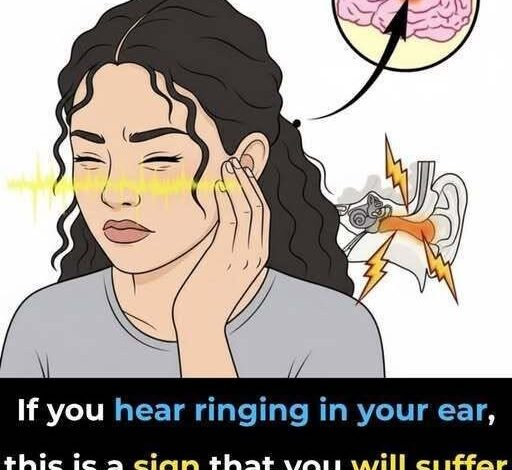
It usually starts as a small annoyance.
A faint ringing. A soft buzzing. Maybe a humming, clicking, or hissing sound that seems to appear out of nowhere. At first, it is easy to ignore. You notice it only in quiet moments—while lying in bed, reading a book, or sitting in a silent room. But when the sound keeps returning, many people begin to wonder whether something more serious could be causing it.
This condition is known as tinnitus, a surprisingly common experience that affects millions of people worldwide. Rather than being a disease itself, tinnitus is considered a symptom—an indication that something may be affecting the auditory system, which includes the ears, the nerves responsible for hearing, and the brain’s sound-processing centers.
For most people, tinnitus takes the form of sounds that only they can hear. This is called subjective tinnitus and is by far the most common type. It is often associated with age-related hearing changes, prolonged exposure to loud noise, earwax buildup, stress, certain medications, or underlying hearing damage. A much rarer form, known as objective tinnitus, may occasionally be detected by a healthcare provider and is sometimes linked to blood vessel disorders or muscle activity near the ear.
The impact of tinnitus varies greatly from person to person.
For some, the sound is little more than a minor distraction. For others, it becomes a constant presence that interferes with sleep, concentration, productivity, and overall quality of life. When symptoms persist for weeks, months, or even years, the emotional toll can become just as challenging as the sound itself.
Certain symptoms should never be ignored.
If tinnitus develops suddenly, affects only one ear, worsens rapidly, or occurs alongside hearing loss, dizziness, balance problems, ear pain, or a rhythmic pulsing sensation, medical evaluation is strongly recommended. While these symptoms do not automatically indicate a serious condition, they may require further investigation to rule out underlying health concerns.
One of the most common contributors to tinnitus is noise-related hearing damage. Repeated exposure to loud music, machinery, construction equipment, firearms, concerts, or industrial environments can gradually damage delicate structures inside the ear. Over time, this damage may alter how the brain processes sound, leading to the perception of noise that is not actually present.
Lifestyle factors can also influence how noticeable tinnitus becomes.
Stress, anxiety, fatigue, poor sleep, nicotine use, and excessive caffeine consumption may increase awareness of the sound in some individuals. While these factors do not necessarily cause tinnitus, they can make existing symptoms feel more intense and difficult to manage.
Although there is currently no single cure that works for everyone, several treatments and management strategies can significantly reduce the impact of tinnitus.
Sound therapy is one of the most commonly recommended approaches. White-noise machines, fans, soft music, rainfall sounds, or other background noise can help mask the ringing and make it less noticeable, particularly at night. For individuals who also experience hearing loss, hearing aids may improve both hearing and tinnitus symptoms by increasing access to environmental sounds.
Many healthcare professionals also encourage stress-management techniques. Mindfulness practices, relaxation exercises, regular physical activity, and cognitive behavioral therapy have all shown benefits in helping people cope with the emotional effects of persistent tinnitus.
Perhaps the most important step is seeking professional guidance when symptoms become ongoing or disruptive.
A hearing specialist or healthcare provider can help identify possible causes, recommend appropriate treatments, and determine whether additional testing is necessary. In many cases, understanding the source of the problem provides reassurance and opens the door to effective management options.
While tinnitus can be frustrating and sometimes overwhelming, it does not have to control everyday life. With proper evaluation, healthy habits, and the right support, many people find that the condition becomes far more manageable over time.
The sound may not disappear completely, but for countless individuals, learning how to understand and manage tinnitus is the first step toward regaining peace, comfort, and confidence in their daily lives.