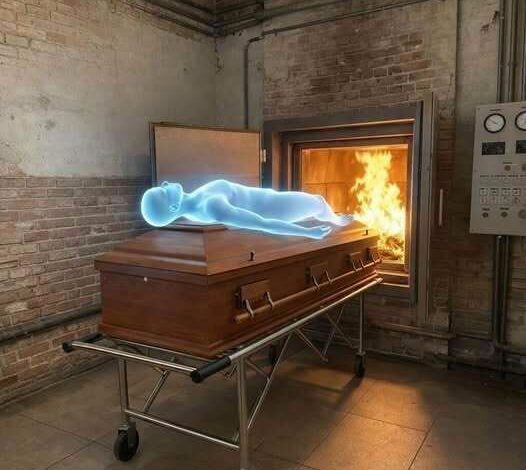
The Sin of Cremation: What the Bible Actually Says
The question of whether cremation is considered a sin according to the Bible has attracted considerable attention, particularly among families making decisions after the death of a loved one. While dramatic headlines may present the issue as having a simple yes-or-no answer, the biblical and historical context is more nuanced.
First, it is important to distinguish between what the Bible explicitly teaches and what later religious traditions or personal interpretations may conclude. Scripture contains numerous references to burial, mourning, and the treatment of the dead, but it does not contain a direct command stating that cremation is inherently sinful.
Burial was the common practice among ancient Israelites and many early Christians, which is why it appears frequently throughout biblical accounts. Important figures are described as being buried, and burial carried significant cultural and religious meaning. However, describing burial as a traditional biblical practice is different from claiming that the Bible explicitly prohibits cremation.
The Bible also emphasizes themes that go beyond the physical treatment of the body after death. Christian teachings frequently focus on faith, resurrection, the hope of eternal life, and the belief that physical death does not have the final word. From this perspective, the manner in which a person’s remains are handled does not determine their salvation or their standing before God.
It is also worth remembering that Christian denominations have differed in their attitudes toward cremation. Some traditions historically preferred burial, while others now permit cremation without considering it sinful. Personal beliefs, family traditions, cultural practices, and denominational teachings can all influence how individuals approach the decision.
When evaluating claims about cremation and Christianity, it can therefore be helpful to ask a few basic questions:
- Does the Bible explicitly address the practice?
- Is the claim based on Scripture or on later tradition?
- What does the surrounding biblical context actually say?
- Does the interpretation reflect the teachings of a particular denomination?
- Are other reputable theological sources reaching the same conclusion?
These questions can help separate biblical teaching from assumptions or sensationalized claims circulating online.
For families facing this decision, the issue can be deeply emotional. Choosing burial or cremation may involve financial considerations, cultural traditions, family wishes, and personal faith. A respectful conversation with a trusted religious leader can provide guidance that takes those individual circumstances into account.
Ultimately, the Bible’s central message concerning death is not focused solely on the physical condition of a person’s remains. For Christians, the larger themes involve faith, resurrection, eternal life, and hope beyond death.
Whether a family chooses burial or cremation is therefore a decision that should be approached thoughtfully rather than through fear created by dramatic headlines.
The most important thing is to distinguish Scripture from interpretation, consider the beliefs of one’s faith tradition, and make a decision consistent with one’s conscience and convictions.
This article provides general religious information and is not a substitute for personal theological guidance from a qualified religious leader.