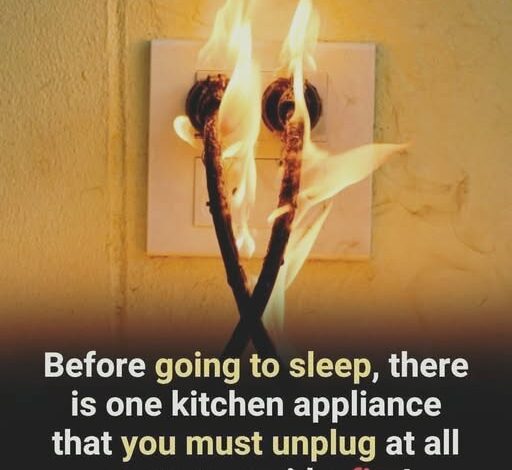
Most people assume that once the lights are off, the television is powered down, and their phone is no longer charging, their home’s electricity usage comes to a halt. In reality, that’s often far from the truth.
Even while you sleep, dozens of devices throughout your home may continue drawing power quietly in the background. This hidden form of electricity consumption is known as phantom energy, or standby power, and it can steadily increase energy costs without most homeowners ever realizing it.
Phantom energy refers to the electricity consumed by electronic devices that remain plugged in, even when they appear to be switched off. Although the amount of power used by any single device is typically small, the combined effect of numerous electronics operating around the clock can add up to a surprisingly significant amount over time.
As homes become increasingly filled with smart technology, connected appliances, entertainment systems, and charging devices, standby power has become a constant part of everyday energy consumption. Because it operates silently and invisibly, it is one of the most overlooked sources of household electricity use.
The reason phantom energy exists is straightforward: many modern devices are never truly turned off.
Instead, they enter low-power standby modes that allow them to respond instantly when needed. A television waiting for a signal from the remote control, a coffee maker displaying the correct time, or a gaming console downloading updates overnight all require a continuous flow of electricity to remain ready for use.
Features such as digital clocks, memory storage, Wi-Fi connectivity, LED indicators, remote sensors, and automatic updates depend on this constant power supply. Individually, these functions consume very little electricity. Collectively, however, they can represent a meaningful portion of a home’s annual energy usage.
One of the most common sources of standby power can be found in nearly every room: phone and tablet chargers.
Many people leave chargers plugged into wall outlets permanently, believing they consume no electricity when a device is not connected. In reality, many chargers continue drawing a small amount of power even when idle. While a single charger may have a negligible impact, several chargers scattered throughout a home can contribute to unnecessary energy consumption year-round.
Kitchen appliances are another frequent source of phantom energy.
Coffee makers equipped with digital displays, programmable timers, or automatic brewing functions often remain partially active twenty-four hours a day. Their clocks and memory systems require a continuous supply of electricity, even when they are not actively brewing coffee.
Similarly, microwaves, toaster ovens, air fryers, and other countertop appliances commonly feature electronic controls, illuminated displays, and indicator lights that continue using power whenever the appliance remains plugged in. Because these devices are used so regularly, many homeowners never consider the energy they consume while sitting idle.
Entertainment systems are often among the largest contributors to standby power in modern homes.
Televisions, streaming devices, soundbars, gaming consoles, and cable boxes are typically designed for instant startup. Rather than fully disconnecting from power when switched off, they enter standby modes that keep essential functions running in the background.
That small illuminated light on the front of a television is often evidence that electricity is still flowing. Gaming consoles may continue checking for software updates, maintaining internet connections, or supporting quick-start features even when they appear inactive.
Computers and their accessories can behave similarly.
Monitors, printers, speakers, external hard drives, and networking equipment frequently continue consuming electricity after the main computer has been shut down. These devices often remain partially powered to preserve settings, maintain connectivity, or enable faster startup when needed.
The challenge with phantom energy is that it rarely appears significant when viewed one device at a time.
A charger in the bedroom, a microwave clock in the kitchen, and a television on standby in the living room may seem insignificant individually. However, when dozens of devices operate continuously throughout an entire home, the cumulative effect becomes far more noticeable.
Over the course of a year, this constant background consumption can contribute to higher electricity bills and increased overall energy usage. It may also expose electronics to ongoing electrical fluctuations, potentially increasing wear and vulnerability to power surges.
Of course, not every device should be unplugged.
Essential appliances such as refrigerators, freezers, internet routers, home security systems, and medical equipment often require a continuous power supply to function properly and should remain connected.
For non-essential electronics, however, there are several simple ways to reduce unnecessary standby power consumption.
Many homeowners choose to unplug devices that are used infrequently. Others use power strips that allow multiple electronics to be disconnected with a single switch. Smart power strips offer an even more convenient solution by automatically cutting power to connected devices when they are not in use.
These small adjustments require minimal effort but can significantly reduce hidden energy consumption throughout the home.
The benefits extend beyond lower utility bills.
Reducing phantom energy improves overall energy efficiency, decreases unnecessary demand on electrical systems, and helps reduce wasted electricity. When multiplied across millions of households, even modest reductions in standby power can translate into substantial energy savings on a larger scale.
Perhaps most importantly, addressing phantom energy encourages greater awareness of how everyday habits influence household electricity usage. While many people focus on large appliances when considering energy costs, the smaller devices operating quietly in the background often tell a different story.
Phantom energy may be invisible, but its effects are very real.
Every charger left plugged in, every television on standby, every digital clock, and every connected device contributes a little more to a home’s overall electricity consumption. Individually, the impact may seem minor. Together, they create a continuous stream of energy use that many households never account for.
By understanding where standby power comes from and taking simple steps to reduce it, homeowners can gain greater control over their energy consumption, lower unnecessary expenses, and reduce energy waste.
Sometimes the most meaningful savings come not from major lifestyle changes, but from paying attention to the electricity being used when it seems like nothing is running at all.