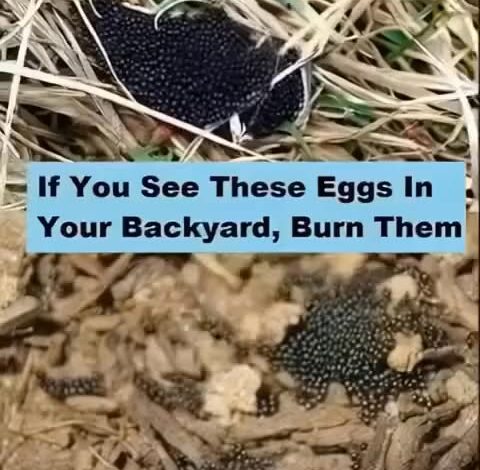
Discovering what appears to be a cluster of tick eggs in your yard can be unsettling. While these tiny masses are easy to overlook, they may represent the beginning of a much larger problem. A single female tick can lay hundreds or even thousands of eggs at once, meaning that what seems like a small discovery today could become a significant infestation in the weeks ahead.
Ticks are more than just a nuisance. They are known carriers of several diseases that can affect both humans and animals, making early detection and prevention especially important. Understanding where ticks lay their eggs, how they develop, and what steps you can take to reduce their numbers can help protect your family, pets, and outdoor spaces.
Recognizing Tick Eggs
Tick eggs are extremely small, often resembling tiny seeds or grains. They are usually deposited in dense clusters and may appear pale, translucent, or slightly greenish when first laid. As they mature, their color often darkens.
Because of their size, many homeowners never notice them until after they hatch. Unlike adult ticks, eggs remain in one place, making this stage of the life cycle one of the best opportunities to stop an infestation before it spreads.
Common Places Ticks Lay Eggs
Ticks prefer cool, moist environments where they are protected from direct sunlight and drying conditions. Common locations include:
- Piles of leaves and yard debris
- Tall grass and unmanaged vegetation
- Garden mulch and landscape beds
- Stacked firewood
- Dense shrubs and bushes
- Shaded corners of the yard with limited airflow
These sheltered areas provide ideal conditions for egg development and should be inspected regularly, particularly during warmer months.
Understanding the Tick Life Cycle
Tick populations can grow rapidly because of their reproductive capacity.
Their life cycle consists of four stages:
Egg: Female ticks deposit large clusters that typically hatch within several weeks.
Larva: Newly hatched larvae, often called seed ticks, immediately begin searching for hosts.
Nymph: After feeding, larvae develop into nymphs. Because they are still very small, nymphs often go unnoticed and are responsible for many tick-borne infections.
Adult: Mature ticks seek larger hosts, including wildlife, pets, and humans. Adult females then reproduce and begin the cycle again.
Since each generation can produce thousands of additional ticks, preventing eggs from hatching is one of the most effective control methods available.
Why Tick Populations Matter
Ticks can transmit a variety of illnesses while feeding, including:
- Lyme disease
- Rocky Mountain spotted fever
- Ehrlichiosis
- Anaplasmosis
- Babesiosis
- Tularemia
Reducing tick populations before they reach the larval and nymph stages helps lower the risk of exposure for both people and pets.
What To Do If You Find Tick Eggs
If you suspect you have found tick eggs, avoid handling them directly.
Instead:
- Wear disposable gloves.
- Carefully collect the material in a sealed container or plastic bag.
- Avoid crushing the eggs.
- Seek identification from a pest-control professional or local extension service if you are unsure.
- Use pesticides only according to professional guidance and product instructions.
Many insect eggs look similar, so proper identification is important before taking further action.
Removing Ticks Safely
Even with prevention measures in place, ticks can still attach to people or animals.
To remove a tick:
- Use fine-tipped tweezers.
- Grasp the tick as close to the skin as possible.
- Pull upward steadily without twisting.
- Clean the bite area thoroughly.
- Monitor for symptoms such as rash, fever, fatigue, or flu-like illness.
Pet owners should perform routine tick checks and use veterinarian-recommended prevention products throughout the year.
Reducing Tick Habitat
Creating an environment that is less attractive to ticks can dramatically reduce their numbers.
Maintain Your Yard
- Mow grass regularly.
- Remove weeds and overgrown vegetation.
- Trim shrubs and low branches.
- Increase sunlight and airflow where possible.
Eliminate Shelter Areas
- Remove leaf litter.
- Clear away fallen branches.
- Keep firewood stacked neatly off the ground.
- Avoid excessive moisture buildup around landscaping.
Consider Tick-Repelling Plants
Some homeowners add plants commonly associated with insect deterrence, including:
- Lavender
- Rosemary
- Mint
- Marigolds
- Chrysanthemums
While these plants alone will not eliminate ticks, they may complement broader prevention efforts.
Discouraging Wildlife Hosts
Many ticks enter yards by hitching rides on wildlife.
To reduce wildlife activity:
- Secure garbage containers.
- Remove food sources.
- Store birdseed properly.
- Consider fencing where appropriate.
- Minimize hiding places for rodents.
Reducing the presence of common hosts can help interrupt the tick life cycle.
The Importance of Seasonal Awareness
Tick activity often increases during spring and summer, though some species remain active year-round in milder climates.
Spring is especially important because many female ticks begin laying eggs during this period. Identifying and addressing potential breeding sites early can prevent larger infestations later in the season.
When Professional Help May Be Necessary
If you discover multiple egg clusters, experience recurring tick problems, or live near heavily wooded areas, professional assistance may be worthwhile.
Pest-control specialists can:
- Identify tick species
- Locate breeding areas
- Apply targeted treatments
- Develop long-term management strategies
- Reduce populations while minimizing environmental impact
Building a Long-Term Prevention Strategy
The most effective tick control plans combine several approaches:
- Regular yard maintenance
- Frequent property inspections
- Pet protection measures
- Habitat reduction
- Wildlife management
- Professional treatment when necessary
- Family education about tick awareness
No single solution completely eliminates ticks, but combining these methods can greatly reduce both their numbers and the risks they pose.
Final Thoughts
Finding what appears to be tick eggs in your yard should never be ignored. Although they may seem harmless at first glance, they can represent the earliest stage of a rapidly growing infestation.
Fortunately, early detection, proper identification, and consistent prevention efforts can stop the problem before it becomes more serious. By maintaining your property, monitoring high-risk areas, protecting pets, and seeking expert guidance when needed, you can significantly reduce tick-related risks and enjoy your outdoor spaces with greater confidence and peace of mind.