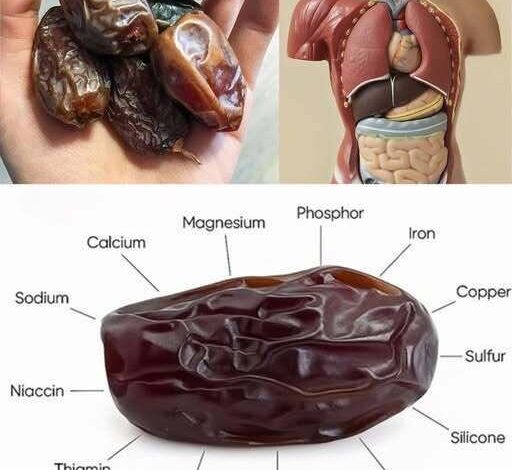
Dates: The Ancient Sweet Fruit Packed With Modern Health Benefits
In a world constantly searching for the next superfood, one of the most nutritious foods on earth has been around for thousands of years.
Dates—sweet, chewy fruits harvested from date palm trees—have nourished civilizations for centuries. Often called “nature’s candy,” they combine rich flavor with an impressive nutritional profile, making them a favorite in traditional diets and modern wellness routines alike.
From desert communities in the Middle East to kitchens around the world, dates continue to earn their reputation as a simple yet powerful food that supports energy, digestion, and overall well-being.
A Fruit With Thousands of Years of History
Dates grow on date palm trees, which thrive in warm climates throughout the Middle East, North Africa, and other tropical regions.
For generations, they served as a vital source of nutrition because they were easy to store, naturally sweet, and rich in energy. Long before refined sugar became common, dates provided a delicious way to satisfy sweet cravings while delivering valuable nutrients.
Today, dates remain one of the world’s most widely enjoyed fruits.
They come in various colors ranging from golden amber to deep brown, with textures that can be soft and caramel-like or firm and chewy depending on the variety.
Small Fruit, Impressive Nutrition
Despite their modest size, dates are loaded with important nutrients.
They contain a variety of vitamins and minerals that help support normal body functions, including:
- Potassium
- Magnesium
- Calcium
- Iron
- Phosphorus
- Manganese
- Vitamin A
These nutrients contribute to healthy muscles, nerves, bones, and blood circulation.
Dates are also an excellent source of dietary fiber, a nutrient many people struggle to consume in adequate amounts. Fiber supports digestive health, promotes regular bowel movements, and helps maintain a healthy gut environment.
In addition, dates provide small amounts of protein while remaining naturally low in fat.
A typical 100-gram serving contains roughly 280 calories, making dates a concentrated source of natural energy and nutrition.
Rich in Protective Antioxidants
One of the most impressive qualities of dates is their antioxidant content.
They contain several beneficial plant compounds, including:
- Flavonoids
- Carotenoids
- Phenolic acids
Antioxidants help protect the body’s cells from oxidative stress, which occurs naturally over time and has been associated with aging and various chronic health conditions.
Researchers continue to study the role antioxidants play in long-term wellness, and dates rank among the richer natural fruit sources of these protective compounds.
Natural Energy Without the Crash
Dates are well known for providing a quick and reliable source of energy.
Their sweetness comes from naturally occurring sugars such as glucose and fructose, which give the body readily available fuel.
Unlike highly processed sugary snacks, dates also contain fiber, which helps slow digestion and promotes a steadier release of energy.
This balance makes them a popular choice among athletes, active individuals, and anyone looking for a healthy snack that provides lasting fuel throughout the day.
Many people enjoy dates before workouts, after exercise, or whenever they need a natural energy boost.
Supporting Healthy Digestion
The high fiber content in dates makes them particularly beneficial for digestive health.
Fiber helps support regular bowel movements and may help reduce occasional constipation when consumed as part of a balanced diet.
It also serves as food for beneficial gut bacteria, which play an important role in digestion, immune function, and overall wellness.
A healthy digestive system contributes to better nutrient absorption and greater overall comfort, making fiber-rich foods like dates an excellent addition to daily meals.
Potential Benefits for Brain Health
Scientists have also shown interest in the possible connection between dates and cognitive health.
The antioxidants found in dates may help reduce inflammation and oxidative stress—two factors frequently studied in relation to brain aging and neurological health.
Flavonoids, in particular, have attracted attention for their potential role in supporting memory, learning, and cognitive function.
While dates are not a treatment for neurological conditions, their nutrient-rich profile may contribute to long-term brain health when included as part of a healthy diet.
Helping Maintain Strong Bones
Dates provide several minerals that support bone health, including calcium, magnesium, and phosphorus.
These nutrients work together to maintain bone structure and support skeletal strength throughout life.
Calcium and phosphorus help preserve bone density, while magnesium plays an essential role in bone formation and mineral balance.
Including mineral-rich foods such as dates can be one helpful part of maintaining healthy bones as we age.
A Natural Source of Iron
Dates also contain iron, a mineral essential for producing hemoglobin, which carries oxygen throughout the body.
Low iron levels can contribute to fatigue, weakness, and reduced energy.
While dates are not the richest source of iron available, they can still contribute to overall iron intake and support healthy blood function when included in a balanced diet.
Supporting Heart Health
Although naturally sweet, dates contain no cholesterol and very little fat.
They are also rich in potassium and magnesium—two minerals that play important roles in cardiovascular health.
Potassium helps support healthy blood pressure levels by balancing sodium within the body, while magnesium contributes to normal muscle and nerve function, including the muscles involved in heart activity.
Combined with their fiber and antioxidant content, dates can be part of a heart-conscious eating pattern.
Can Dates Help With Weight Management?
Because dates are nutrient-dense and naturally sweet, they can serve as a healthier alternative to many processed desserts and sugary snacks.
Their fiber content promotes feelings of fullness, which may help reduce unnecessary snacking between meals.
However, dates are calorie-dense, so moderation remains important.
Enjoyed in reasonable portions, they can fit comfortably into a balanced eating plan while satisfying sweet cravings in a more nutritious way.
Easy Ways to Add Dates to Your Diet
One reason dates remain so popular is their versatility.
They can be enjoyed on their own or incorporated into a wide variety of meals and snacks.
Popular options include:
- Mixing chopped dates into oatmeal
- Blending them into smoothies
- Stirring them into yogurt
- Using them in homemade energy bites
- Adding them to baked goods
- Tossing them into salads
- Pairing them with nuts and seeds
Their natural caramel-like flavor works beautifully in both sweet and savory recipes.
A Timeless Superfood
Dates have earned their place among nature’s most impressive foods.
Packed with fiber, vitamins, minerals, antioxidants, and natural energy, they offer a wide range of nutritional benefits in a simple and delicious package.
From supporting digestion and providing sustained energy to contributing to heart health, bone strength, and overall wellness, dates continue to prove that some of the oldest foods remain among the best.
While no single food can guarantee perfect health, dates are a powerful reminder that nature often provides extraordinary nutrition in the simplest forms.
Sweet, satisfying, and remarkably nutrient-rich, they remain a timeless addition to a healthy lifestyle.