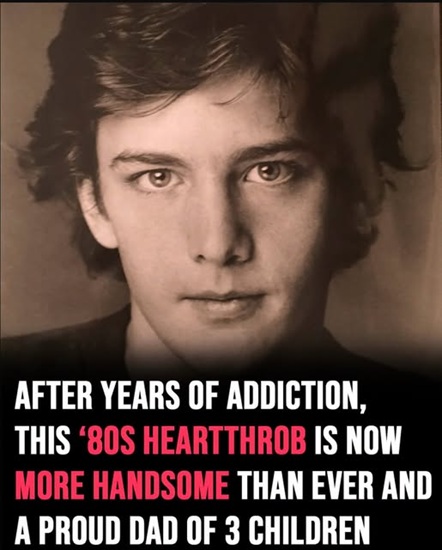
During the 1980s, Andrew McCarthy became one of Hollywood’s most recognizable young stars. With his thoughtful screen presence, understated charisma, and ability to portray emotionally complex characters, he quickly emerged as a defining figure of a generation. At the height of the teen-movie era, his face appeared on magazine covers, movie posters, and television screens across the world, earning him a devoted following and a lasting place in popular culture.
Born in 1962 in Westfield, New Jersey, McCarthy grew up far from the glamour of Hollywood. Raised in a middle-class family, he often described his teenage years as uncomfortable and socially challenging. Feeling like an outsider at times, he found himself drawn to acting as a creative outlet and a way to better understand both himself and the world around him.
After graduating from high school, he enrolled at New York University to study acting. His time there, however, was brief. McCarthy later admitted that he struggled with the structure of academic life and frequently skipped classes, preferring practical experience over formal education. Eventually dismissed for poor attendance, he left the university without a degree—but not without ambition.
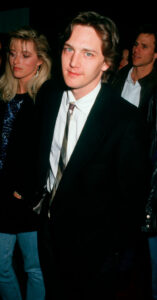
His breakthrough came soon afterward when he attended an open casting call for the 1983 film Class, starring Jacqueline Bisset. Chosen from a large pool of aspiring actors, McCarthy immediately caught the attention of filmmakers and audiences alike. His natural performance and quiet intensity suggested the arrival of a promising new talent.
The success of Class opened doors quickly. As the decade progressed, McCarthy became associated with a group of young actors frequently cast in coming-of-age films, a collection of performers that the media would famously label the “Brat Pack.” Although many members later expressed mixed feelings about the term, it became one of the defining cultural labels of the era.
One of McCarthy’s most significant roles came in St. Elmo’s Fire (1985), a film that followed a group of recent college graduates navigating adulthood. While critics were divided, audiences embraced the movie, helping cement McCarthy’s status as one of Hollywood’s leading young actors.
He strengthened that reputation even further with Pretty in Pink (1986), where his portrayal of the sensitive and introspective Blane McDonough resonated strongly with teenage audiences. The film became a cultural touchstone and remains one of the most beloved teen movies of the decade. Shortly afterward, he starred in Mannequin (1987), another commercial success that expanded his popularity and solidified his place among the era’s most recognizable stars.
Despite his growing fame, McCarthy later revealed that life behind the scenes was far less glamorous than many imagined. Like many young actors thrust into the spotlight, he struggled with the pressures that accompanied sudden success. The constant attention, demanding schedules, and expectations of celebrity left him feeling unprepared for the realities of stardom.
In later interviews and his memoir, McCarthy spoke candidly about the insecurities that followed him throughout those years. He acknowledged that alcohol became an unhealthy coping mechanism as he attempted to navigate the challenges of fame and personal uncertainty. Over time, these struggles forced him to confront difficult truths about himself and ultimately led him toward recovery and sobriety.
As the 1980s came to an end, McCarthy began reevaluating both his personal life and professional direction. Rather than chasing the image that had made him famous, he chose to step away from much of Hollywood’s party culture and focus on building a healthier, more sustainable future. This decision marked a turning point that would shape the decades ahead.
His career gradually evolved beyond acting alone. While he continued appearing in films and television projects, he also discovered a passion for directing. Over the years, he directed episodes of numerous successful television series, including Orange Is the New Black, Gossip Girl, The Blacklist, and several other acclaimed productions. Behind the camera, he earned a reputation as a thoughtful and skilled storyteller with a keen understanding of character and narrative.
McCarthy also found success in an entirely different field: travel writing. Combining his curiosity about the world with his talent for observation, he began contributing articles to respected publications such as National Geographic Traveler, Travel + Leisure, and Men’s Journal. His work as a travel journalist earned widespread praise, including recognition as Travel Journalist of the Year in 2010.

For McCarthy, acting, directing, and writing all stem from the same creative impulse—the desire to tell meaningful stories. Whether through a film, a television episode, or a written travel narrative, he views storytelling as a way of exploring human experience and creating connections between people.
His personal life has evolved alongside his professional journey. In 1999, he married his college sweetheart, Carol Schneider, and the couple welcomed a son before later divorcing in 2005. Several years later, he married Irish writer and director Dolores Rice. Together they built a family and welcomed two children, with McCarthy often speaking about the importance of stability, family life, and personal growth.
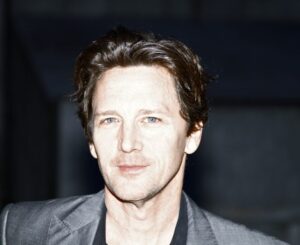
Today, Andrew McCarthy’s legacy extends far beyond the teen-heartthrob image that first made him famous. While he remains closely associated with some of the most iconic films of the 1980s, his career has become a story of reinvention, resilience, and creative exploration.
From actor to director, from memoirist to award-winning travel writer, McCarthy has continually expanded his craft while remaining true to his passion for storytelling. His journey reflects not only the rise of a Hollywood star, but also the evolution of an artist who refused to be defined by a single chapter of his life.