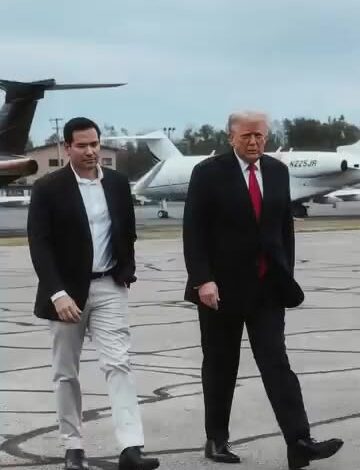
Beyond the headlines and carefully worded public statements, a far more complicated reality is taking shape behind closed doors. Secretary of State Marco Rubio has repeatedly indicated that efforts to ease tensions remain fragile, uncertain, and vulnerable to sudden setbacks. Diplomatic contacts continue, but progress is slow and incremental, with each breakthrough carrying the risk of being undone by a single miscalculation.
One of the more unexpected developments has been Pakistan’s growing role in the diplomatic landscape. Its emergence as a potential intermediary underscores how unconventional the current search for de-escalation has become. As Pakistan’s military leadership prepares for sensitive discussions in Tehran, the country finds itself navigating a difficult balancing act—maintaining relationships with multiple regional actors while attempting to preserve channels of communication between parties that remain deeply distrustful of one another. The challenge is considerable, and even minor mistakes could have broader consequences.
At the center of many concerns is the Strait of Hormuz, one of the most strategically important waterways in the world. Although geographically narrow, its significance extends across the global economy. Roughly one-fifth of the world’s oil supply moves through this maritime corridor, meaning any disruption could have immediate effects on energy prices, trade flows, and economic stability far beyond the Middle East.
Recent discussion surrounding Iran’s suggestion of a possible “tolling system” for vessels using the strait has intensified international debate. Supporters may view the proposal as a legitimate exercise of national authority, while critics see it as a potentially significant shift in how one of the world’s most critical shipping routes is governed. The issue extends beyond economics. It touches on questions of sovereignty, influence, leverage, and the ability of states to shape global markets through control of strategic transit points.
Rubio’s strong opposition to the concept reflects concerns shared by many policymakers in Washington and among allied governments. Their apprehension is not limited to the direct economic impact such a measure could create. Many fear that accepting even limited restrictions could establish a precedent for using maritime access and commercial transit as instruments of geopolitical pressure. In a region already marked by competing interests and longstanding mistrust, that possibility carries substantial strategic implications.
For now, diplomacy remains focused less on solving underlying disputes and more on preventing them from escalating. Negotiations are largely aimed at managing risk rather than achieving comprehensive resolution. Each meeting helps maintain communication. Each conversation creates another opportunity to avoid confrontation. Yet beneath these efforts lies a growing awareness that the room for error is becoming increasingly narrow.
History shows that major crises rarely emerge from a single dramatic decision. More often, they develop through a series of smaller actions, misunderstandings, reactions, and counterreactions that gradually reduce the available options. That reality contributes to the sense of uncertainty surrounding the current situation. Regional actors continue testing limits, evaluating responses, and seeking strategic advantages while attempting to avoid triggering a broader conflict.
Whether these diplomatic efforts ultimately lead to greater stability remains uncertain. What is clear is that the consequences extend far beyond any individual negotiation or national interest. The outcome could influence energy markets, regional security dynamics, international trade routes, and broader geopolitical relationships for years to come.
For the moment, diplomacy continues to keep channels open and tensions contained.
But maintaining dialogue is only the first step. The larger question remains whether those conversations can eventually produce lasting stability—or merely delay a more difficult confrontation.