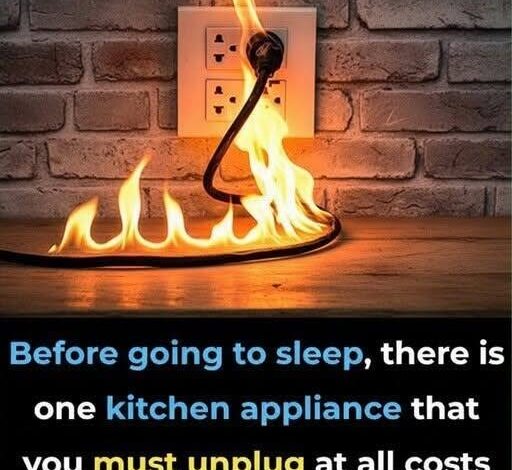
Most people assume they stop using electricity the moment they turn off a light, shut down a television, or walk away from an appliance. In reality, many devices continue drawing power long after they appear to be switched off. Hidden behind glowing indicator lights, digital displays, standby modes, and plugged-in chargers is a steady stream of electricity usage that quietly adds to monthly utility bills without attracting much attention.
Energy experts often refer to these devices as “energy vampires” because they consume power around the clock, even when they are not actively being used. While the amount drawn by any single device may seem insignificant, the combined impact of dozens of electronics throughout a home can result in noticeable energy waste over time.
One of the most common sources of standby power is the phone charger. Many people leave chargers plugged into outlets permanently because they are convenient and always ready when needed. However, even when no device is connected, many chargers continue drawing a small amount of electricity. On their own, the costs are minimal, but when multiplied across smartphones, tablets, smartwatches, earbuds, laptops, and other devices, the consumption becomes much more significant.
The kitchen is another area where hidden energy use often goes unnoticed. Appliances such as coffee makers, microwaves, air fryers, pressure cookers, and slow cookers frequently remain plugged in all day. Digital clocks, standby settings, and electronic displays continue operating whether the appliance is in use or not. Although each device consumes only a small amount of power, their combined usage creates a constant drain that continues every hour of every day.
Entertainment systems are often among the largest contributors to standby energy consumption. Modern televisions, streaming devices, cable boxes, sound systems, and gaming consoles are designed for convenience, allowing them to power on instantly when needed. To make that possible, many remain partially active even when switched off. Gaming consoles, in particular, may continue downloading updates, maintaining internet connections, or running quick-start features while appearing inactive. Over the course of a year, these conveniences can contribute more to electricity costs than many homeowners realize.
Home offices create another source of hidden energy waste. Computers, monitors, printers, routers, speakers, scanners, and external storage devices often remain plugged in continuously. Even when idle, many continue drawing small amounts of electricity. Individually, the impact may be difficult to notice, but an entire workspace filled with electronics can quietly consume power every day without performing any meaningful function.
What makes standby energy consumption so difficult to detect is that it operates silently. There are no warning signs, no alarms, and no obvious indications that electricity is being used. The power simply flows in the background, day after day, until it eventually appears on the monthly utility bill.
Studies have shown that standby power can account for a meaningful portion of household electricity usage. In homes filled with modern electronics, dozens of devices may be drawing energy simultaneously despite serving no active purpose. The good news is that reducing this waste is often straightforward.
One of the simplest solutions is unplugging devices when they are not needed. Chargers, countertop appliances, printers, gaming systems, and other electronics that do not require continuous power can be disconnected entirely. For those who prefer a more convenient approach, smart power strips provide an effective alternative. These devices automatically cut power to electronics when they enter standby mode, helping eliminate unnecessary energy use without requiring constant attention.
Small habits can also make a noticeable difference. Fully shutting down computers instead of leaving them in sleep mode, disconnecting chargers after use, disabling unnecessary quick-start features, and using timers for certain appliances can collectively reduce household energy consumption over time.
The benefits extend beyond lower utility bills. Reducing unnecessary electricity use decreases demand on power grids and lowers the resources required to generate that energy. Even modest reductions across millions of households can contribute to greater overall efficiency and sustainability.
The next time you walk through your home, take a moment to notice the glowing lights, digital displays, and standby indicators that remain active long after devices seem to be off. Ask yourself whether each one truly needs power at that moment. In many cases, the answer will be no.
Sometimes improving energy efficiency does not require expensive upgrades or major renovations. It begins with simple awareness and a few small changes. Unplugging a charger, powering down a device, or using a smart power strip may seem insignificant on its own, but those small actions can add up to meaningful savings over time.
When it comes to reducing energy waste, the simplest solutions are often the most effective. And sometimes, all it takes is pulling a plug from the wall.