Many people choose their sleeping position based solely on comfort, rarely considering that the way they sleep may influence digestion and nighttime comfort. Although sleep is a period of rest, the body remains active behind the scenes, carrying out essential processes such as digestion, hormone regulation, and acid balance. For individuals who experience acid reflux or digestive sensitivity, sleeping posture can sometimes make a noticeable difference.
The digestive system continues working long after we fall asleep. As food is processed and stomach acid is produced, the body relies on various mechanisms to keep digestive contents where they belong. During the day, gravity naturally helps keep stomach contents lower in the digestive tract. At night, however, lying down changes that dynamic, which is why some people notice digestive discomfort when they go to bed.
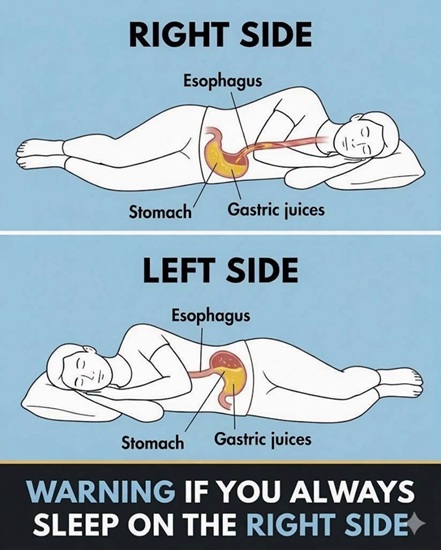
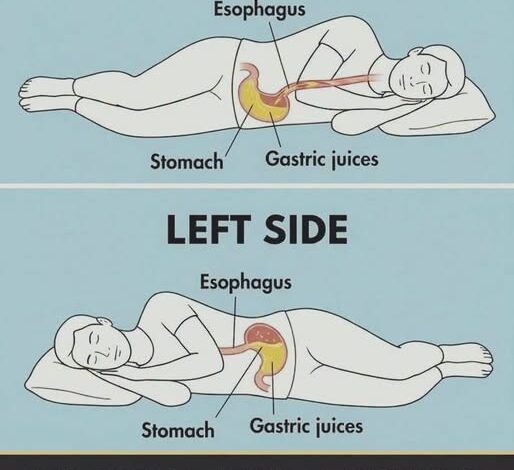
One important factor is the relationship between the stomach and the esophagus. The stomach is not positioned symmetrically within the body, and its natural shape can influence how stomach acid behaves in different sleeping positions. When a person lies on the right side, stomach contents may rest closer to the lower esophageal sphincter—the muscular valve that helps prevent acid from traveling upward. For some individuals, particularly those prone to reflux, this may increase the likelihood of heartburn or discomfort.
By contrast, sleeping on the left side is often associated with improved digestive comfort. Research and clinical observations suggest that this position may help keep stomach acid lower, reducing the chances of it moving back into the esophagus. While this is not a cure for reflux-related conditions, many people report fewer nighttime symptoms when sleeping on their left side.
That said, right-side sleeping is not harmful for most healthy individuals. People naturally change positions throughout the night, and the body is generally capable of adapting to different sleeping postures. The concern is primarily relevant for those who already experience conditions such as acid reflux or gastroesophageal reflux disease (GERD), where certain positions may make symptoms more noticeable.
Nighttime reflux can present in several ways. Some people experience a burning sensation in the chest, while others wake with a sour taste in the mouth, throat irritation, hoarseness, or a persistent cough. Because these symptoms often worsen when lying down, sleeping posture can become an important part of managing overall comfort.
Meal timing also plays a significant role. Going to bed shortly after eating a large meal can increase the likelihood of reflux because the stomach is still actively digesting food. Health professionals often recommend waiting at least two to three hours after eating before lying down. Choosing lighter evening meals and limiting foods that commonly trigger reflux—such as spicy dishes, high-fat foods, caffeine, chocolate, and alcohol—may also help reduce nighttime symptoms.
Lifestyle habits can further influence digestive health. Maintaining a healthy body weight, staying physically active, and managing stress are all factors that support proper digestive function. For some individuals, elevating the head of the bed slightly or using a wedge pillow can also help reduce reflux symptoms by allowing gravity to work in their favor during sleep.
While occasional heartburn is common, persistent or worsening symptoms should not be ignored. Frequent reflux, difficulty swallowing, unexplained weight loss, chronic chest discomfort, or recurring nighttime symptoms warrant evaluation by a healthcare professional. Proper diagnosis is important because digestive symptoms can sometimes overlap with other medical conditions.
Ultimately, there is no single perfect sleeping position for everyone. The best approach is to pay attention to how your body responds and make adjustments when necessary. For some people, a simple change in sleeping posture can improve comfort significantly. For others, broader lifestyle modifications or medical guidance may be needed.
Good digestive health is influenced by many factors working together, including diet, meal timing, physical activity, sleep habits, and overall wellness. Understanding these connections can help individuals make informed choices that support both restful sleep and long-term health.
Sometimes, small adjustments—such as changing the side you sleep on—can make a surprisingly meaningful difference in how you feel when you wake up each morning.