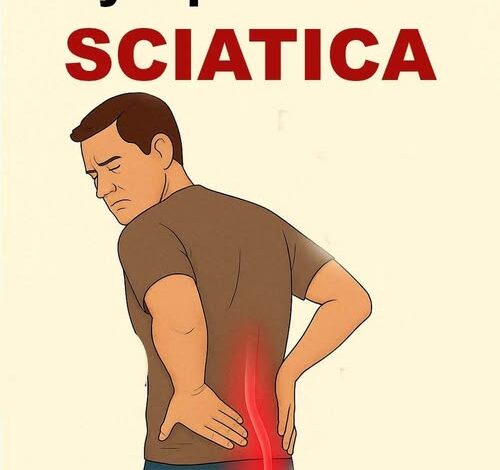
Many people initially manage the discomfort of a slipped disc with temporary solutions such as pain medication, rest, or heat therapy. While these measures may provide short-term relief, ignoring an underlying spinal problem can sometimes lead to more serious conditions over time. Two common complications are sciatica and spinal stenosis, both of which can significantly affect daily life and mobility if left untreated.
Sciatica occurs when the sciatic nerve becomes irritated or compressed, often causing sharp, radiating pain that travels from the lower back through the hips and down the leg. Spinal stenosis, on the other hand, involves a narrowing of the spinal canal that places pressure on the nerves, typically affecting the lower back or neck. Although these conditions can develop gradually, they may eventually lead to chronic pain, difficulty walking, weakness, numbness, and, in severe cases, problems with bladder or bowel control.
While herniated or slipped discs are a well-known cause, they are not the only factors linked to sciatica and spinal stenosis. Sciatica is frequently associated with sedentary lifestyles, obesity, pregnancy, muscle spasms, bone spurs, and occupations that place repeated strain on the spine. It is most commonly seen in adults between the ages of 30 and 50. Spinal stenosis is more often diagnosed in individuals over the age of 50 and is commonly related to age-related changes such as arthritis, although congenital spinal abnormalities and previous spinal injuries may also contribute.
Risk factors for both conditions include poor posture, repetitive stress on the spine, aging, genetic predisposition, and physically demanding activities. Symptoms can range from persistent back pain and leg discomfort to tingling, numbness, muscle weakness, and reduced mobility. In some cases, spinal stenosis may cause neurogenic claudication, a condition characterized by pain, weakness, or cramping in the legs that worsens while walking and improves with rest.
Advances in spinal care have made treatment options increasingly precise and effective. Modern techniques such as robotic-assisted spine surgery allow surgeons to perform procedures with greater accuracy, potentially reducing tissue disruption and supporting faster recovery. Patients such as Aziza Rajabu and Mohammed Al Dowaiki, who suffered from severe spinal disorders, underwent robotic-assisted spinal procedures and experienced significant pain relief along with a rapid return to daily activities.
The key message is that persistent back pain should never be dismissed as a minor inconvenience. Early diagnosis and appropriate treatment can help prevent long-term complications, improve quality of life, and reduce the risk of permanent nerve damage. When symptoms such as radiating leg pain, numbness, weakness, or walking difficulties begin to interfere with everyday activities, seeking medical evaluation can make a critical difference.