As tensions in the Middle East continue to draw global attention, many people are once again asking a question that has surfaced during nearly every major international crisis: if a large-scale conflict were to escalate dramatically, where would people be safest?
Concerns about nuclear conflict are not new. During the Cold War, generations of Americans grew up practicing emergency drills designed to prepare for the possibility of a nuclear attack. Although the geopolitical landscape has changed significantly since then, periods of international instability often revive public interest in preparedness, national security, and the potential consequences of military escalation.
Recent military actions involving the United States, Israel, and Iran have led to renewed discussions about regional security and the risks associated with a broader conflict. While analysts differ on the likelihood of such scenarios, questions about emergency planning, critical infrastructure, and long-term resilience have become increasingly common.
One factor often discussed by security experts is the location of strategic military assets. Certain regions of the United States contain important defense infrastructure, including missile fields, military bases, and command facilities. In a hypothetical large-scale conflict, these locations could be viewed as higher-priority targets than areas without significant military importance.
Because of this, some analysts suggest that regions farther from major military installations may face lower immediate risks in certain theoretical scenarios. However, experts consistently emphasize that modern conflicts are complex, making it impossible to identify any location as completely immune from potential consequences.
Beyond the immediate effects of warfare, specialists often point to longer-term concerns such as disruptions to food supplies, transportation networks, energy systems, healthcare services, and communications infrastructure. In severe scenarios, these challenges could affect populations far from any direct military activity.
Researchers who study nuclear conflict have also examined the concept of “nuclear winter,” a theory suggesting that large-scale nuclear exchanges could inject enormous amounts of smoke and debris into the atmosphere. Such conditions could potentially reduce sunlight, shorten growing seasons, and disrupt agriculture across large portions of the world. While scientific estimates vary, many experts agree that food production would likely become one of the most significant challenges following a major nuclear conflict.
For this reason, discussions about survival often focus less on immediate safety and more on long-term sustainability. Factors such as agricultural capacity, access to fresh water, geographic isolation, and stable infrastructure are frequently considered more important than simple distance from military targets.
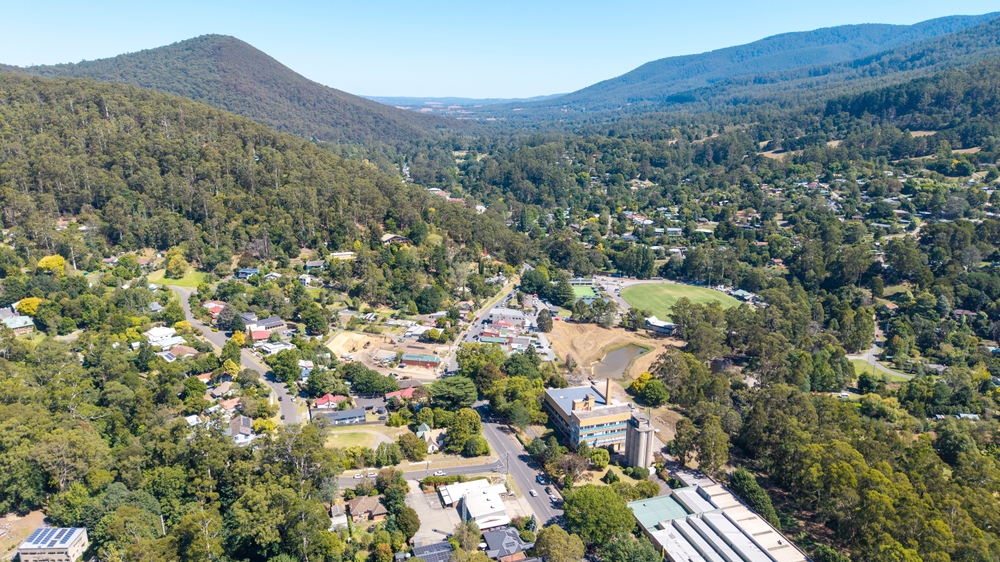
Countries in the Southern Hemisphere, particularly those with strong agricultural sectors and relatively low strategic military significance, are sometimes cited by researchers as potentially better positioned to cope with global disruptions. Nations such as New Zealand and Australia are often mentioned in these discussions because of their ability to produce food and their distance from many of the world’s largest military powers.
Even so, experts caution against viewing any location as a guaranteed refuge. In a truly global crisis, economic, environmental, and humanitarian consequences could extend far beyond the regions directly involved in conflict.
The broader lesson is that preparedness is often more practical than speculation. Maintaining emergency supplies, understanding local emergency procedures, staying informed through reliable sources, and supporting resilient communities can be valuable steps regardless of where someone lives.
While headlines may spark concern, most security specialists agree on one point: the best response to uncertainty is informed awareness rather than panic. Understanding risks, separating verified information from speculation, and focusing on practical preparedness measures remain the most effective ways to navigate an uncertain world.