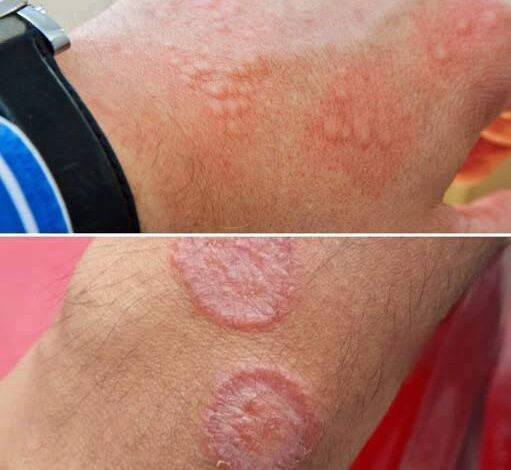
Many people ignore persistent itching, redness, or irritation in sensitive areas, hoping the problem will simply go away on its own. Because these symptoms occur in a private part of the body, embarrassment often prevents people from discussing them or seeking advice. However, ongoing discomfort should never be dismissed without consideration. While irritation may sometimes result from something minor, it can also signal an underlying condition that deserves attention. Understanding the possible causes can help you recognize when simple self-care is enough and when professional medical guidance may be necessary.
The groin area is particularly vulnerable to skin problems because it is naturally warm, moist, and exposed to constant friction. Sweat, tight clothing, physical activity, and everyday movement can all contribute to irritation. While occasional itching or redness is common, symptoms that persist, worsen, or repeatedly return may indicate something more significant. Paying attention to these changes is important not only for comfort but also for maintaining overall skin health.
One common cause of irritation is an ingrown hair. This occurs when a hair curls back and grows into the skin rather than emerging normally through the surface. The result is often a small red bump that may become swollen, tender, or inflamed. Ingrown hairs frequently develop after shaving, waxing, or other hair-removal methods. Although it may be tempting to squeeze or pick at them, doing so can increase irritation and raise the risk of infection. Gentle exfoliation, proper shaving techniques, and clean grooming tools can help reduce the likelihood of developing ingrown hairs.
Another frequent source of discomfort is folliculitis, which involves inflammation of the hair follicles. This condition can occur when bacteria, fungi, or other microorganisms enter the follicles, causing clusters of red bumps that may resemble acne. Excessive sweating, friction from clothing, and prolonged moisture can create conditions that encourage folliculitis. Maintaining good hygiene, changing out of damp clothing promptly, and wearing breathable fabrics can help minimize the risk. More severe cases may require medical evaluation and treatment.
Fungal infections are also a common culprit. One of the most recognized examples is tinea cruris, often known as jock itch. Despite its name, this condition affects people of all activity levels, not just athletes. It typically appears as an itchy, red rash that may spread gradually and develop a noticeable border. Warm, humid conditions often contribute to its development. While antifungal treatments are usually effective, preventing recurrence often requires keeping the area dry, wearing loose-fitting clothing, and avoiding prolonged moisture exposure.
Not all irritation is caused by infections. Contact dermatitis occurs when the skin reacts to an irritating substance or allergen. Common triggers include scented soaps, body washes, laundry detergents, fabric softeners, deodorants, and certain fabrics or dyes. Because the skin in sensitive areas is particularly delicate, it may react strongly to products that seem harmless elsewhere on the body. Switching to fragrance-free products and choosing gentle, skin-friendly materials can often help reduce irritation.
Intertrigo is another condition that can affect areas where skin surfaces rub together. Friction combined with trapped moisture can weaken the skin barrier, leading to redness, soreness, and inflammation. In some cases, secondary fungal or bacterial infections can develop. Keeping the area clean and dry, reducing friction where possible, and managing moisture can help prevent this condition from becoming more severe.
Sometimes recurring skin irritation may be linked to broader health issues. Conditions such as diabetes can increase susceptibility to infections and slow the body’s ability to heal. Elevated blood sugar levels may create an environment where bacteria and fungi thrive more easily. Likewise, chronic stress can affect immune function and contribute to flare-ups of inflammatory skin conditions such as eczema or psoriasis, which may occasionally involve the groin area.
Although many cases improve with proper hygiene and simple lifestyle adjustments, some symptoms should never be ignored. Persistent itching, severe pain, spreading redness, swelling, unusual discharge, open sores, or fever may indicate a more serious problem. In these situations, seeking medical advice is important. Healthcare professionals routinely evaluate these concerns, and early diagnosis often makes treatment simpler and more effective.
The most important thing to remember is that persistent symptoms are your body’s way of communicating that something may need attention. Whether the cause is friction, infection, allergy, or an underlying health condition, addressing the problem early can help prevent complications and improve comfort. Listening to your body and responding to warning signs is not overreacting—it is a practical and responsible approach to protecting your health.
Taking care of sensitive skin requires awareness, balance, and consistency. Simple habits such as maintaining good hygiene, wearing breathable clothing, choosing gentle products, and seeking medical guidance when symptoms persist can make a significant difference. By paying attention to what your body is telling you, you can better support your skin health and overall well-being for the long term.