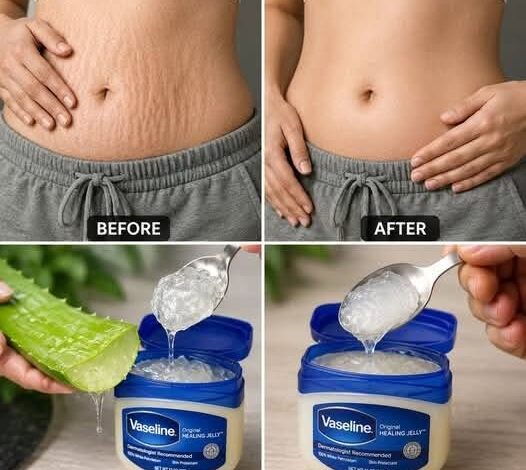
Understanding Stretch Marks: What They Are and What Can Really Help
Stretch marks, medically known as striae distensae, are a common and completely natural skin change experienced by millions of people. They often develop when the body grows or changes rapidly, such as during pregnancy, puberty, significant weight gain or loss, muscle growth, or certain hormonal shifts.
Although they appear on the surface, stretch marks actually form deep within the skin.
Beneath the outer layer lies the dermis, a supportive layer rich in collagen and elastin fibers that help keep skin firm, flexible, and resilient. When the skin stretches more quickly than these fibers can adapt, tiny tears may develop within the deeper tissue. As the skin heals, these changes become visible as streaks or lines commonly known as stretch marks.
New stretch marks often appear red, pink, purple, or darker than the surrounding skin, depending on skin tone. Over time, they typically fade and become lighter, silvery, or white.
Because stretch marks originate within the deeper layers of the skin, it is important to have realistic expectations about treatment. No cream, oil, lotion, or home remedy can completely erase them or restore damaged collagen and elastin fibers to their original state. However, proper skincare can improve hydration, comfort, texture, and overall appearance, helping stretch marks become less noticeable over time.
The Role of Vaseline and Aloe Vera
One popular home remedy combines petroleum jelly, such as Vaseline Healing Jelly, with aloe vera gel.
While this mixture cannot permanently remove stretch marks, it may improve the condition of the surrounding skin and provide several cosmetic benefits.
Petroleum jelly works by creating a protective barrier on the skin’s surface. This barrier helps lock in moisture and reduces water loss. Well-hydrated skin often appears softer, smoother, and slightly fuller, which can make stretch marks look less prominent temporarily.
Aloe vera contributes additional hydration and soothing properties. Rich in water and naturally occurring compounds, aloe is often used to calm dry or irritated skin and provide a cooling sensation.
Together, aloe vera and petroleum jelly can help keep the skin moisturized, comfortable, and healthy-looking.
This combination may be especially beneficial if the skin around stretch marks feels dry, itchy, tight, or irritated.
Can It Actually Fade Stretch Marks?
Regular moisturizing may help newer stretch marks appear softer and less pronounced. Gentle massage can also temporarily improve circulation and leave the skin feeling smoother.
However, it is important to understand that neither aloe vera nor petroleum jelly can significantly rebuild collagen deep within the skin.
Stretch marks often fade naturally with time, regardless of treatment. New marks typically become less visible as they mature and gradually change color.
Moisturizing can support the skin during this process, but the fading itself is usually part of the body’s natural healing response.
Older stretch marks, especially those that have turned white or silvery, are generally much more resistant to change. At this stage, they behave more like mature scars and often require professional treatments for noticeable improvement.
How to Use Aloe Vera and Vaseline
If you would like to try this simple routine, begin by applying a thin layer of pure aloe vera gel to clean skin.
Allow it to absorb for a minute or two.
Then apply a small amount of petroleum jelly over the area to help lock in moisture.
Massage gently using circular motions for one to two minutes.
Many people prefer applying the mixture once or twice daily, particularly after bathing when the skin is still slightly damp.
Avoid using it on broken, infected, or severely irritated skin. If you are prone to acne or clogged pores, test a small area first, as petroleum jelly can feel heavy on certain parts of the body.
As with any skincare product, perform a patch test before regular use to check for irritation or sensitivity.
Professional Treatment Options
For those seeking more significant improvement, dermatologists may recommend treatments that target the deeper layers of the skin where stretch marks form.
Prescription retinoids, such as tretinoin, may help improve the appearance of newer stretch marks by stimulating collagen remodeling. These treatments are generally most effective on fresh, red, or purple marks and should only be used under medical supervision. They are not recommended during pregnancy unless specifically approved by a healthcare provider.
Microneedling is another commonly recommended option. This procedure uses tiny needles to create controlled micro-injuries in the skin, encouraging the production of new collagen and elastin. Over multiple sessions, it may help improve texture and reduce the depth of stretch marks.
Laser treatments can also provide noticeable improvements. Some lasers target redness in newer stretch marks, while others stimulate collagen production in older, more mature marks. Additional treatments, such as radiofrequency therapy, chemical peels, or combination procedures, may also be recommended depending on the individual’s skin type and the characteristics of the stretch marks.
Setting Realistic Expectations
Treating stretch marks requires patience.
Even professional procedures rarely eliminate them completely. The goal is typically improvement rather than perfection.
Successful treatment may make stretch marks appear:
- Lighter
- Smoother
- Narrower
- Less textured
- Better blended with surrounding skin
Newer stretch marks generally respond better to treatment because they are still actively healing. Older white stretch marks often require more intensive procedures to stimulate deeper collagen remodeling.
A Final Perspective
Stretch marks are not a flaw, a failure, or a sign of poor health.
They are a normal part of growth, pregnancy, weight changes, athletic development, and the natural aging process. They affect people of all ages, body types, and backgrounds.
For many, they become simply another chapter in the story their skin tells.
If you choose to improve their appearance, approach treatment with realistic expectations. Simple measures like moisturizing with aloe vera and petroleum jelly can help keep the skin comfortable, hydrated, and healthy-looking. For more noticeable results, a dermatologist can help determine which treatments are most appropriate for your skin.
Most importantly, remember that stretch marks do not diminish your health, beauty, or worth. While they may never disappear entirely, proper care can improve their appearance—and help your skin feel stronger, healthier, and better supported over time.