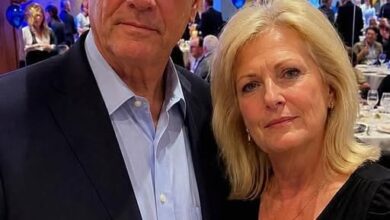
Oliver “Power” Grant helped demonstrate that hip-hop could become far more than music. It could become a business, a brand, and an entire cultural ecosystem.
While Wu-Tang Clan members such as Method Man and GZA were helping redefine what a rap collective could sound like, Grant was thinking beyond the recording studio. He understood that the identity surrounding a group could become something much larger than an album or an individual artist.
His vision was about building something that could survive beyond the music itself.
Wu Wear became one of the clearest examples of that idea.
It transformed the group’s imagery, identity, and storytelling into something fans could physically wear and proudly associate themselves with. At a time when artist merchandise was nowhere near the massive industry it would eventually become, Wu Wear demonstrated how powerful a cultural brand could be when it was developed intentionally.
Grant recognized something many artists had yet to fully understand: independence wasn’t simply about creative freedom.
It was about ownership.
It was about building systems.
It was about protecting an identity and creating opportunities that could continue generating value long after a song stopped playing.
His approach helped establish a blueprint for artists who wanted to think beyond traditional record deals and short-term success. The artist could also be an entrepreneur, a brand builder, and a business owner.
That philosophy remains visible throughout modern music.
Every artist who builds a company around their name, launches a clothing line, develops a lifestyle brand, or takes control of their own business reflects part of that broader shift.
Grant’s influence can also be seen in the way artists think about culture itself.
A movement isn’t created only by the people holding microphones.
It is also shaped by the people developing the vision, protecting the identity, building the business, and finding ways to keep that culture independent.
That may be one of Oliver “Power” Grant’s most important contributions.
He helped show that hip-hop could be something you listened to—but also something you could build.
And decades later, that idea remains deeply embedded in the way artists approach music, entrepreneurship, branding, and cultural ownership.