The Silent Killer Hiding in Your Brain: 5 Warning Signs of a Mini Stroke You Are Ignoring at Your Own Peril

Many people assume that serious health emergencies happen without warning. In reality, the body often sends signals long before a major medical event occurs. The challenge is that these warning signs can be brief, subtle, and easy to dismiss.
Imagine suddenly experiencing weakness in one arm, difficulty speaking, blurred vision, or a loss of balance—only for everything to return to normal a few minutes later. Because the symptoms disappear, many people convince themselves it was nothing serious. However, medical experts caution that these temporary episodes can sometimes indicate a Transient Ischemic Attack (TIA), often referred to as a “mini stroke.”
A TIA occurs when blood flow to part of the brain is temporarily reduced or blocked. Unlike a major stroke, the interruption is brief and symptoms usually resolve within minutes or hours without causing permanent damage. However, this does not make the event harmless. Healthcare professionals consider a TIA an important warning sign because it may indicate an increased risk of a future stroke.
Recognizing the symptoms quickly can be critical.
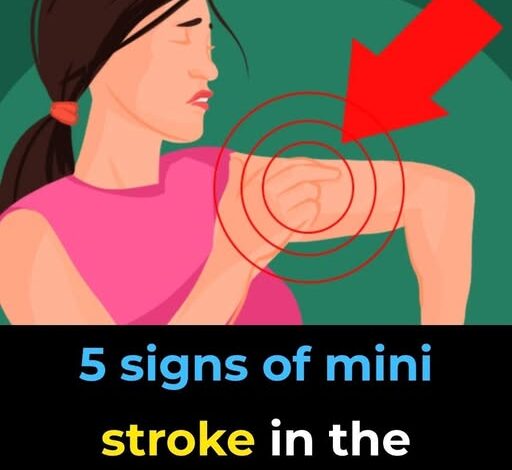
One of the most common warning signs is sudden weakness or numbness, particularly on one side of the body. A person may notice difficulty lifting an arm, gripping an object, or controlling one side of the face. Facial drooping is often a key indicator and should never be ignored, even if it improves quickly.
Speech difficulties are another important symptom. Someone experiencing a TIA may suddenly have trouble speaking clearly, finding words, understanding conversations, or forming coherent sentences. Family members often notice that speech becomes slurred or unusually confused.
Vision changes can also occur. Some people experience blurred vision, double vision, or temporary loss of sight in one eye. Others describe the sensation as a shadow or curtain briefly covering part of their visual field.
Loss of balance, dizziness, or difficulty coordinating movements may also signal a problem. While occasional dizziness can have many causes, a sudden and unexplained loss of stability—especially when combined with other symptoms—requires immediate medical attention.
In some cases, individuals may experience a sudden and severe headache unlike anything they have felt before. While headaches can result from many conditions, a rapid-onset headache accompanied by neurological symptoms should be evaluated promptly.
Healthcare providers often recommend remembering the acronym FAST:
• Face – Does one side of the face droop when smiling?
• Arms – Is one arm weak or difficult to raise?
• Speech – Is speech slurred or difficult to understand?
• Time – If any of these signs appear, seek emergency medical help immediately.
Even if symptoms disappear quickly, medical evaluation remains essential. A TIA may provide a critical opportunity to identify underlying issues before a more serious stroke occurs.
Several factors can increase stroke risk, including high blood pressure, diabetes, high cholesterol, smoking, heart rhythm disorders such as atrial fibrillation, advancing age, and a family history of cardiovascular disease. Managing these conditions through regular medical care, healthy eating, physical activity, and avoiding tobacco can significantly reduce risk.
Perhaps the most important message is this: temporary symptoms should never be ignored simply because they go away. A mini stroke is not merely a passing event—it can be an early warning that the brain’s blood supply is vulnerable.
Seeking prompt medical attention may help prevent a future stroke and improve long-term health outcomes. Paying attention to the body’s warning signs today could make a life-changing difference tomorrow.