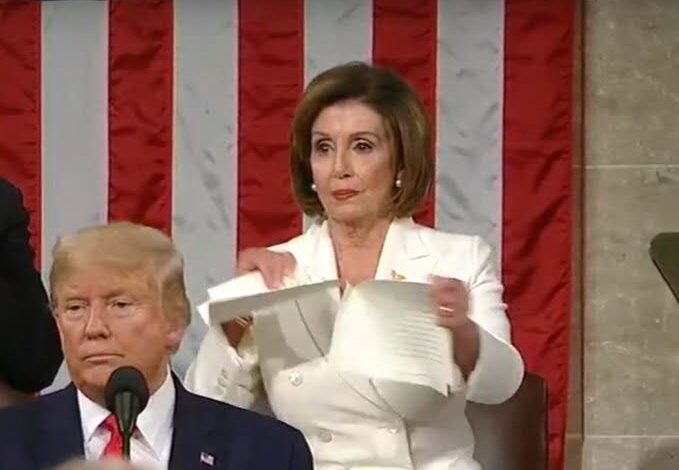
As another election cycle intensifies, a familiar political battle has returned to the spotlight. Allies of President Donald Trump are once again advancing a proposal that has reignited debate across Washington and beyond: a congressional effort to formally expunge his two impeachments from the historical record.
While the proposal would have little direct legal impact, its symbolic implications are far more significant.
At its core, the debate is not simply about congressional procedure. It is about history, legacy, and who ultimately gets to define one of the most controversial presidencies in modern American politics.
Supporters of the resolution argue that both impeachments were driven by partisan motivations and should no longer stand as central markers of Trump’s time in office. From their perspective, the effort represents a form of political vindication—an attempt to challenge what they view as actions that unfairly shaped public perceptions and overshadowed other aspects of his presidency.
To many of his supporters, the resolution is about correcting what they believe was an abuse of the impeachment process and restoring what they see as a more balanced historical assessment.
Critics, however, view the proposal through a very different lens.
They argue that impeachment is a constitutional mechanism established by the framers of the nation and that once the process has been completed, it becomes a permanent part of the historical record. From this perspective, efforts to erase or diminish those proceedings are less about correcting history and more about attempting to rewrite it.
The debate has drawn considerable attention from constitutional scholars and historians as well.
Many legal experts note that impeachment votes taken by the House of Representatives remain official actions recorded in congressional history regardless of any later resolutions expressing disagreement with those decisions. While Congress can pass measures reflecting its opinions about past events, scholars generally contend that historical facts and official proceedings cannot simply be removed through subsequent political action.
As a result, much of the discussion centers less on legal feasibility and more on symbolism.
Even if the resolution ultimately carries little practical effect, it highlights the continuing struggle over how Trump’s presidency will be remembered.
Years after the impeachment votes took place, the controversies surrounding them remain closely tied to larger questions about presidential authority, congressional oversight, political polarization, and accountability in American government.
For supporters, the issue represents unfinished business.
For opponents, it serves as a reminder of events they believe remain historically significant.
Regardless of the proposal’s ultimate fate, the discussion has once again thrust some of the defining moments of Trump’s presidency back into public debate. Familiar arguments are resurfacing, long-standing political divisions are being reopened, and both sides are attempting to influence how future generations will interpret this chapter of American history.
In many ways, the controversy extends far beyond the impeachments themselves.
It reflects an ongoing battle over political memory, public perception, and national identity. The arguments are not merely about what happened, but about what those events mean and how they should be remembered.
As the debate unfolds, one reality remains clear: the struggle over Donald Trump’s legacy continues to shape American politics long after the original impeachment proceedings concluded.
Whether viewed as an effort to achieve vindication or as an attempt to reinterpret history, the proposal underscores a truth that has become increasingly evident over the past decade.
The fight over how Donald Trump will be remembered is still far from settled, and the outcome of that battle may influence political conversations for years to come.