What You Should Know About Bananas Before You Eat Them: Important Information You Might Not Have Heard

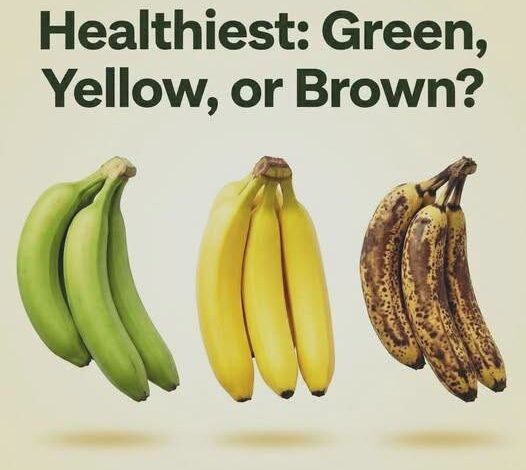
Bananas are among the most popular fruits in the world, appreciated for their natural sweetness, convenience, and nutritional value. Found in households across countless countries, they are often enjoyed as a quick snack, added to smoothies, baked into desserts, or included in balanced meals. While many people view bananas as a simple everyday food, the fruit undergoes a fascinating natural transformation as it ripens, changing in taste, texture, and composition over time.
The ripening process begins shortly after harvest. During this stage, naturally occurring enzymes inside the fruit start converting complex starches into simpler sugars. As a result, bananas gradually shift from firm and slightly starchy to soft, sweet, and aromatic. This biological process is completely natural and plays a significant role in determining how the fruit tastes, feels, and is digested by the body.
Green bananas represent the earliest stage of ripeness. At this point, they contain a high amount of resistant starch, a type of carbohydrate that behaves similarly to dietary fiber. Resistant starch is not fully digested in the small intestine and instead travels to the large intestine, where it can support beneficial gut bacteria. Because of this, greener bananas are often more filling and may digest more slowly than fully ripe bananas.
As bananas mature and their peel turns yellow, the resistant starch content decreases while natural sugars increase. This transformation creates the familiar sweet flavor that many people enjoy. Yellow bananas are softer, easier to digest, and provide a quick source of energy. They also continue to supply important nutrients, including potassium, vitamin B6, vitamin C, and dietary fiber.
For many people, fully yellow bananas represent the ideal balance of sweetness and texture. At this stage, the fruit can be eaten on its own or incorporated into various recipes. Smoothies, oatmeal, yogurt bowls, and fruit salads often feature ripe bananas because of their natural sweetness and creamy consistency. Although the carbohydrate profile changes during ripening, the fruit remains nutrient-rich throughout the process.
When brown spots begin appearing on the peel, the banana has entered an advanced stage of ripeness. More of the remaining starch has been converted into simple sugars, resulting in an even sweeter taste and softer texture. These bananas are commonly used in baking because they blend easily and add natural sweetness to recipes such as banana bread, muffins, pancakes, and cakes.
The ripening process has also led to numerous online discussions regarding nutritional benefits. While some claims suggest that overripe bananas become dramatically more powerful or acquire special health properties, scientific evidence does not support many of these exaggerated statements. Ripening primarily alters the fruit’s carbohydrate composition rather than transforming it into a completely different nutritional food.
Research has shown that antioxidant activity in fruits can change as they mature, although the extent varies depending on the fruit variety, storage conditions, and environmental factors. Bananas naturally contain compounds with antioxidant properties, but many viral claims surrounding “supercharged” overripe bananas often oversimplify or misrepresent the science.
Bananas are generally considered a healthy addition to most diets. However, individual nutritional needs can influence which stage of ripeness may be preferable. People monitoring blood sugar levels, for example, may pay attention to ripeness because riper bananas contain more readily available sugars and typically have a higher glycemic index than greener bananas.
From a digestive perspective, bananas are often viewed as a gentle food. Their soft texture and soluble fiber make them easy to tolerate for many individuals, particularly during periods of digestive discomfort. This is one reason bananas are frequently included in recovery diets and simple meal plans designed for sensitive stomachs.
Although bananas are safe for the vast majority of people, certain individuals may experience sensitivities. Some people with latex-fruit syndrome may react to proteins found in bananas that resemble proteins present in natural latex. While such cases are relatively uncommon, they highlight how food tolerance can vary from person to person.
Nutritionally, bananas provide valuable micronutrients regardless of ripeness. Potassium helps support normal muscle and nerve function, vitamin B6 contributes to energy metabolism and brain function, and dietary fiber supports digestive health. These benefits remain present throughout the fruit’s lifecycle, even as sweetness and texture change.
Different cultures also use bananas at different stages of ripeness. In some cuisines, green bananas are cooked and served in savory dishes, while ripe bananas are enjoyed fresh or used in desserts. Overripe bananas often find new life in baked goods, reducing food waste while adding flavor and moisture to recipes.
The science behind banana ripening is well understood and demonstrates how natural biological processes influence the foods we eat. Rather than viewing one stage as universally better than another, it is more accurate to recognize that each stage offers unique characteristics and culinary advantages.
Ultimately, bananas remain a nutritious and versatile fruit from the moment they are harvested until they become fully ripe. Whether green, yellow, or brown-speckled, they can fit into a healthy eating pattern in different ways. Understanding the ripening process allows people to choose the stage that best matches their personal taste preferences, nutritional goals, and intended use.
In the end, there is no single “perfect” banana. Each stage has its own flavor, texture, and benefits. The best choice depends on individual needs and preferences, making bananas one of nature’s most adaptable and widely enjoyed foods.