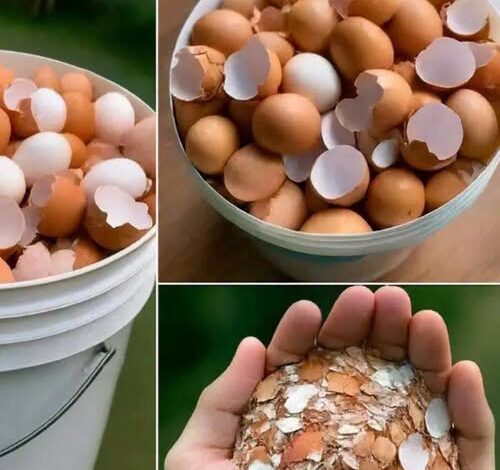
For generations, eggshells have been surrounded by claims of hidden health benefits.
Grandparents saved them.
Neighbors recommended them.
Families passed down home remedies that treated eggshells as a valuable resource rather than simple kitchen waste.
Some believed they could strengthen the body.
Others claimed they could cure ailments or improve overall health.
But what does modern science actually say?
The answer lies somewhere between myth and reality.
Eggshells are not miracle cures.
They cannot reverse disease, eliminate toxins, boost immunity overnight, or replace proper medical care, despite what some traditional remedies may suggest.
At the same time, they are far from useless.
Scientists have confirmed that eggshells are composed primarily of calcium carbonate, making them a rich source of calcium—one of the most important minerals for maintaining strong bones and healthy teeth.
When eggshells are properly cleaned, sterilized, dried, and finely ground into powder, they can be used as a supplemental source of calcium as part of a balanced diet.
Research has even suggested that eggshell powder may help support bone health in certain situations.
However, experts are careful to point out that the benefits are modest.
They are practical rather than extraordinary.
And that distinction is important.
Eggshells can contribute to overall nutrition, but they are not a substitute for medical treatment, professional advice, or a well-rounded diet.
Another popular belief centers around eggshell water.
Many people claim that boiling eggshells creates a powerful health tonic capable of cleansing the body, removing toxins, or treating illness.
Scientific evidence does not support these claims.
While trace amounts of minerals may enter the water during boiling, the resulting liquid does not possess the dramatic health effects often described online or in folklore.
Drinking eggshell water will not detoxify the body.
Your liver, kidneys, and other organs already perform that function naturally.
Where boiled eggshell water may offer genuine value is somewhere entirely different.
The garden.
Calcium is an essential nutrient for many plants, and water infused with minerals from eggshells can help enrich soil when used appropriately.
Gardeners have long recycled eggshells by crushing them into garden beds or using eggshell water to return nutrients to the earth.
In that sense, eggshells provide a simple example of sustainability.
Something many people throw away can often serve a useful purpose elsewhere.
Not because it has magical properties.
But because nature rarely wastes resources.
Perhaps the most valuable lesson isn’t about eggshells at all.
It’s about how we evaluate information.
Traditional remedies often contain a mixture of observation, experience, truth, and exaggeration.
Science does not exist to dismiss those traditions.
Its purpose is to test them.
To separate what genuinely works from what merely sounds convincing.
Sometimes the scientific answer is less exciting than the myth.
But it is usually far more useful.
Eggshells may not transform your health overnight.
They won’t replace medicine.
They won’t cure illness.
What they can do is provide a supplemental source of calcium, contribute nutrients to your garden, and demonstrate that even ordinary household items can have practical value when used thoughtfully.
In the end, the story of eggshells is really a story about curiosity.
About asking questions.
About balancing tradition with evidence.
And about recognizing that true understanding comes not from accepting every claim we hear, but from learning where myth ends and reality begins.
Because sometimes the most interesting discoveries are not the miraculous ones.
They are the simple truths hiding in plain sight.