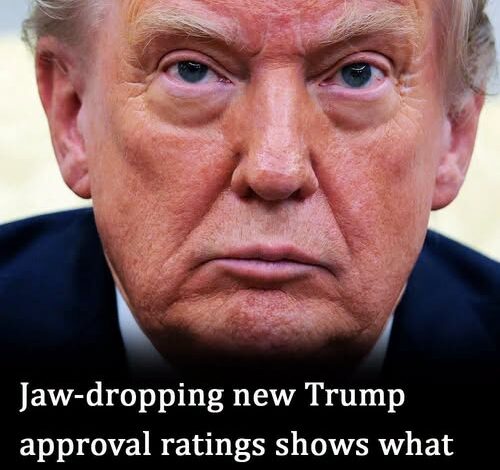
Beneath the noise of rallies, social media posts, and political denials, the numbers appear to tell a story that is increasingly difficult to dismiss. Trump’s approval rating falling to 37% is more than a polling figure; it reflects growing frustration among Americans who are dealing with higher prices, economic uncertainty, and a sense that promises of stability have not matched their daily reality.
The economy, once central to Trump’s claim of competence, has increasingly become a source of political vulnerability. For some voters, the disconnect between campaign promises and their lived experience has created frustration—and, among certain supporters, even a sense of disappointment or betrayal.
At the same time, concerns about the limits of presidential power have become increasingly prominent. Questions surrounding democracy, political norms, America’s standing abroad, and the concentration of executive authority now compete with economic worries for voters’ attention.
For many Americans, the next election may be judged not simply as a choice between competing policies, but as a direct assessment of Trump’s leadership itself.
Poll numbers can rise and fall, but the larger challenge is harder to measure: once political trust is weakened, restoring it is rarely as simple as winning back a few percentage points.