In recent years, Greenland has moved from the margins of global politics to the center of increasingly important conversations about security, resources, and strategic influence in the Arctic. Once viewed primarily as a remote territory within the Kingdom of Denmark, the island has become a focal point in discussions about military readiness, emerging trade routes, and the future balance of power in one of the world’s fastest-changing regions.
As interest in the Arctic grows, so does international attention on Greenland’s unique geographic position. The island sits at a critical crossroads between North America and Europe, giving it significant strategic value in an era marked by renewed competition among major powers. These realities have fueled debate among policymakers, defense analysts, and world leaders about Greenland’s long-term role in global security.
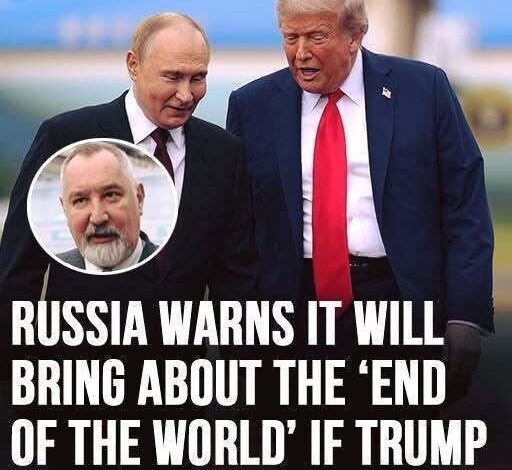
Much of the public attention surrounding the issue intensified after comments made by Donald Trump during his presidency. His interest in expanding the United States’ strategic presence in Greenland sparked widespread debate and diplomatic reactions. While the proposals themselves generated controversy, they also highlighted a larger conversation already taking place within defense and geopolitical circles.
Supporters of stronger American involvement argue that the Arctic is becoming increasingly important from a national security perspective. As climate change reshapes the region, previously inaccessible waterways are gradually opening, creating new shipping opportunities and increasing military interest across the Arctic. These developments have encouraged countries such as the United States, Russia, and China to reassess their long-term strategies and capabilities in the region.
From a defense standpoint, Greenland’s location offers significant advantages. Military planners have long viewed the Arctic as a critical corridor for monitoring potential threats moving between North America and Eurasia. As technology advances and geopolitical competition intensifies, interest in strengthening surveillance systems, radar networks, and early-warning capabilities has continued to grow.
Many analysts point to Greenland’s position as particularly valuable for missile detection infrastructure and broader defense planning. Some have proposed expanding Arctic-based monitoring systems to improve response times and enhance strategic awareness. Supporters view such measures as prudent investments in future security challenges.
Others remain cautious.
Critics warn that increasing military infrastructure in the Arctic could contribute to rising tensions between global powers and undermine decades of cooperation that have helped maintain stability in the region. They argue that strategic competition should not come at the expense of diplomatic engagement or environmental stewardship.
Throughout these discussions, Denmark and Greenland’s elected leadership have maintained a consistent position.
Greenland remains part of the Kingdom of Denmark and operates under its own system of self-government. Officials have repeatedly emphasized that any decisions affecting Greenland’s future must respect the island’s political institutions, democratic processes, and the wishes of its people.
European allies have generally supported this position, stressing the importance of sovereignty, territorial integrity, and international law. While acknowledging the growing importance of Arctic security, many European governments advocate cooperation over confrontation and emphasize maintaining stability through established diplomatic frameworks.
Within NATO, Greenland presents both opportunities and challenges.
Alliance members share common security interests, but perspectives on Arctic priorities sometimes differ. As climate change transforms the region, NATO continues to evaluate how best to adapt its strategy while balancing defense requirements with the need to avoid unnecessary escalation.
Russia, meanwhile, has closely monitored developments across the Arctic. Russian officials have repeatedly stressed the importance of maintaining strategic balance and have voiced concerns about military expansion near their northern borders. Arctic security remains a central element of Russia’s long-term defense planning, making developments in Greenland and surrounding regions particularly significant from Moscow’s perspective.
Beyond military considerations, Greenland’s growing importance is also tied to economics and natural resources.
The island is believed to contain substantial deposits of valuable minerals, including rare earth elements that are increasingly important for modern technologies. Interest in these resources has grown alongside global demand for materials used in electronics, renewable energy systems, and advanced manufacturing.
Yet development remains complicated.
Harsh environmental conditions, high infrastructure costs, and concerns about sustainability continue to limit large-scale extraction efforts. Greenland’s leadership has repeatedly emphasized the importance of balancing economic opportunity with environmental protection and cultural preservation.
For many Greenlanders, the conversation is not simply about defense or resource development.
It is about self-determination.
It is about preserving communities, protecting indigenous traditions, and ensuring that decisions about the island’s future are made by the people who call it home.
As a result, many experts advocate strengthening existing partnerships rather than pursuing dramatic political changes. The United States already maintains strategic installations in Greenland through agreements with Denmark, and some analysts argue that modernizing these arrangements may offer a more practical and stable path forward than proposals involving ownership or sovereignty.
Ultimately, Greenland’s growing prominence reflects larger shifts taking place around the world.
The Arctic is no longer viewed as a distant frontier.
It is increasingly seen as a region where security, economics, environmental change, and global influence intersect.
How governments choose to manage these competing interests will shape not only Greenland’s future but also the broader trajectory of Arctic cooperation and international relations in the decades ahead.
Whether the future is defined by partnership or rivalry remains uncertain. What is clear, however, is that Greenland has become far more than a remote island on the map. It now occupies a central place in one of the most important geopolitical conversations of the twenty-first century.