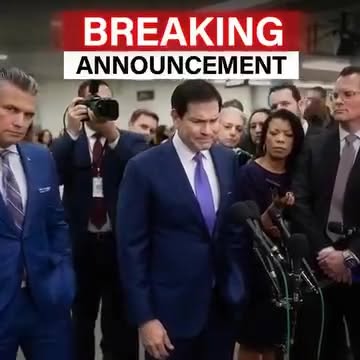
In both private discussions and public appearances, Secretary of State Marco Rubio has maintained a careful and measured tone regarding ongoing diplomatic efforts. While acknowledging that recent negotiations have shown signs of progress, he has consistently cautioned against viewing the developments as a major breakthrough. According to Rubio, the situation remains highly fragile, and any gains achieved through diplomacy could quickly unravel if tensions escalate. His message has been clear: optimism should be tempered by realism, particularly in a region where setbacks can occur with little warning.
Recent diplomatic contacts have produced limited movement, but significant obstacles remain unresolved. Rubio has emphasized that meaningful progress requires patience, sustained engagement, and a clear understanding of the risks involved. Although discussions continue, officials remain aware that the path toward a lasting agreement is far from guaranteed. Every step forward is accompanied by the possibility of renewed confrontation, making the current moment both promising and uncertain.
A notable element of the ongoing diplomatic effort is Pakistan’s growing role as an intermediary. Reports of an anticipated visit by Pakistan’s army chief to Tehran have drawn attention from regional observers, highlighting the urgency surrounding current negotiations. The involvement of additional regional actors reflects the complexity of the situation and the recognition that broader cooperation may be necessary to prevent further instability.
One issue receiving particular attention is Iran’s proposed tolling framework related to the Strait of Hormuz, one of the world’s most strategically important maritime corridors. The waterway serves as a critical route for global energy shipments, making any potential changes to its administration a matter of international concern. Rubio has publicly expressed opposition to proposals that could alter existing arrangements, arguing that even modest shifts in control or access could have significant economic and geopolitical consequences.
Concerns extend beyond regional politics. Energy analysts and policymakers worry that disruptions affecting the Strait of Hormuz could trigger volatility in global markets, increase shipping costs, and place additional pressure on economies already facing uncertainty. Because a substantial portion of the world’s oil supply passes through the narrow passage, stability in the region remains closely linked to broader international economic security.
Despite these challenges, diplomatic channels remain open. Negotiators continue working to reduce tensions and identify areas of potential compromise, even as disagreements persist on several key issues. However, many officials acknowledge that the window for successful diplomacy may not remain open indefinitely. Decisions made in the coming weeks could shape regional dynamics for years to come, influencing security, trade, and international relations throughout the Middle East and beyond.
For now, the situation remains balanced between opportunity and risk. Progress is possible, but so is reversal. As governments weigh their options and diplomatic efforts continue, the stakes remain exceptionally high. The choices made during this period may ultimately determine whether the region moves toward greater stability or enters another chapter of prolonged uncertainty.