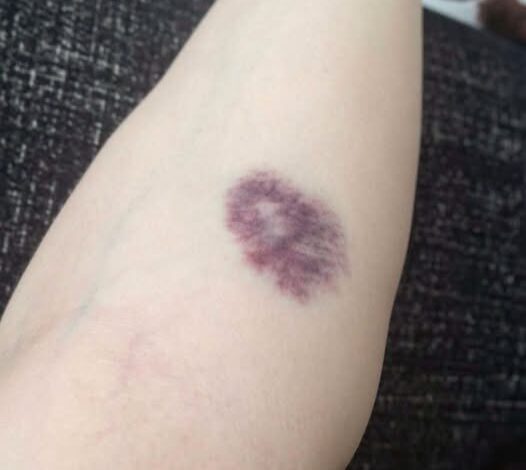
You glance down at your arm one morning and freeze for a moment. A deep purple bruise stretches across your skin, but you have no memory of bumping into anything. No fall, no accident, nothing that explains how it got there. Almost immediately, your mind begins searching for answers. After all, the internet is filled with frightening headlines suggesting that unexplained bruises are early warning signs of serious diseases. While it is true that bruising without an obvious cause sometimes deserves medical attention, the reality is far less alarming in most cases. Understanding why bruises happen—and knowing when they actually warrant concern—can help replace anxiety with informed decision-making.
Bruises are among the most common minor injuries people experience. Every day, tiny blood vessels beneath the skin are damaged by bumps and impacts so small that we often never notice them. Brushing against the corner of a table, carrying heavy shopping bags, knocking your leg on a chair, or even participating in normal daily activities can cause these microscopic vessels to break. Blood then leaks into the surrounding tissue, creating the familiar blue, purple, or black discoloration. Over the following days, the body gradually clears away the trapped blood, causing the bruise to change colors—often fading from purple to green, yellow, and eventually light brown before disappearing entirely.
Occasional bruises are completely normal. However, when bruises begin appearing repeatedly without any remembered injury, become unusually large, or develop in several places at once, it becomes reasonable to pay closer attention. In many situations, there is still a harmless explanation, but persistent unexplained bruising can sometimes signal an underlying condition that deserves evaluation by a healthcare professional.
One of the simplest explanations is aging. As people grow older, the skin naturally becomes thinner, and the protective layer of fat beneath it gradually decreases. Blood vessels also become more delicate over time, making them easier to damage during everyday movements that once caused no visible injury. Many healthy older adults notice they bruise more frequently simply because their skin offers less protection than it did years earlier.
Medications are another common reason bruises appear more easily. Blood-thinning medications, including anticoagulants prescribed to prevent strokes or blood clots, reduce the body’s ability to clot efficiently after even minor injuries. As a result, bruises may appear larger, darker, or more noticeable. Daily aspirin, certain anti-inflammatory drugs, corticosteroids, and even some supplements—such as fish oil or high-dose vitamin E—can also increase bruising in some individuals. Anyone experiencing unusual bruising while taking these medications should discuss the changes with their healthcare provider rather than stopping treatment without medical guidance.
Nutrition can also influence how easily bruises develop. Vitamin C helps maintain healthy blood vessel walls, while vitamin K plays an essential role in normal blood clotting. Low levels of either vitamin may increase bruising in some people. Fortunately, nutritional deficiencies are often identified through medical evaluation and can frequently be corrected through dietary improvements or supplements recommended by a healthcare professional.
Certain medical conditions may contribute as well. Liver disease can interfere with the body’s ability to produce clotting proteins, while inherited bleeding disorders affect how blood clots after injuries. Low platelet counts—whether caused by medications, autoimmune conditions, infections, or other illnesses—may also make bruises appear more easily or seem larger than expected after relatively minor impacts.
Less commonly, unexplained bruising can occur alongside disorders involving the blood or bone marrow, including certain forms of leukemia or lymphoma. However, bruising alone is rarely enough to indicate one of these conditions. In most cases, serious illnesses produce additional symptoms that help physicians identify the underlying cause.
That is why it is important to look at the whole picture rather than focusing on a single bruise. Symptoms such as persistent fatigue, unexplained weight loss, repeated infections, prolonged bleeding after small cuts, frequent nosebleeds, bleeding gums, swollen lymph nodes, or tiny pinpoint red or purple spots called petechiae should all be discussed with a healthcare provider, particularly if several occur together. While these symptoms do not automatically point to a serious illness, they deserve appropriate medical evaluation.
Keeping track of bruising patterns can provide valuable information. Noting when bruises appear, their size, whether they are painful, how long they last, and whether any minor injury may have caused them can help identify patterns that might otherwise go unnoticed. Taking photographs over several days may also help document changes and provide useful information during a medical appointment.
If you seek medical advice for unexplained bruising, the evaluation usually begins with a review of your medical history, medications, and lifestyle, followed by a physical examination. Simple blood tests are often enough to measure platelet levels, evaluate clotting function, and check for anemia or other abnormalities. Depending on those results, your healthcare provider may determine whether additional testing is necessary.
For most bruises, treatment is straightforward. Applying a cold compress during the first day or two may help reduce swelling and discomfort. Once the initial inflammation has settled, gentle warmth can sometimes improve circulation and support healing. Allowing the affected area to recover without repeated injury also helps speed the healing process.
Supporting your overall health benefits your blood vessels as well. Eating a balanced diet rich in fruits, vegetables, lean proteins, whole grains, and healthy fats provides essential nutrients for tissue repair and healthy circulation. Staying hydrated, exercising regularly, getting adequate sleep, and attending routine medical checkups all contribute to maintaining healthy blood vessels and normal clotting function.
Perhaps the most important point is to resist the temptation to assume the worst after finding a single unexplained bruise. Online searches often highlight rare diseases because dramatic stories attract attention, even though the overwhelming majority of unexplained bruises have far more ordinary explanations. At the same time, persistent bruising that continues to worsen or appears alongside other concerning symptoms should never be ignored simply because it might turn out to be harmless.
Learning to notice changes in your body without immediately expecting the worst is a healthy balance to strive for. Your skin can sometimes offer valuable clues about what is happening beneath the surface, but those clues need to be interpreted within the context of your overall health, medical history, and, when necessary, professional medical evaluation. Paying attention does not mean living in fear—it simply means knowing when something deserves a closer look.
If you begin experiencing frequent unexplained bruising, especially when it is accompanied by other unusual symptoms, consider scheduling an appointment with your healthcare provider. Many causes are easily treatable, and early evaluation can identify problems before they become more serious. Just as importantly, it can provide reassurance when everything turns out to be normal. Replacing uncertainty with evidence is often the best medicine of all.