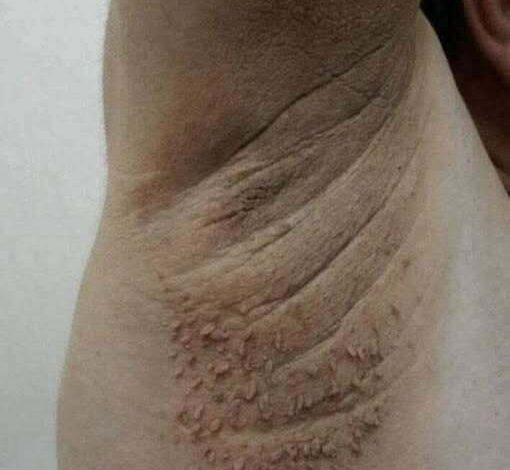
That dark, velvety patch of skin on your neck, under your arms, or in your groin may seem like stubborn discoloration that will not wash away. In reality, it may be signaling something more important than a simple skin problem.
In many cases, these changes are caused by acanthosis nigricans, a skin condition that often points to an underlying medical issue rather than poor hygiene. The affected areas typically become darker, thicker, and softer or velvety in texture, most commonly where skin naturally folds.
One of the most common causes is insulin resistance.
When the body becomes less responsive to insulin, it produces higher levels of the hormone in an effort to keep blood sugar under control. Elevated insulin levels can stimulate skin cells to grow more rapidly, leading to the characteristic darkened, thickened patches seen in acanthosis nigricans. For some people, these skin changes appear before diabetes is diagnosed, making them an important early warning sign.
Insulin resistance is not the only possible cause, however.
Acanthosis nigricans may also be associated with conditions such as polycystic ovary syndrome (PCOS), certain medications—including some steroids and hormone therapies—genetic factors, and, less commonly, other medical disorders. Because several different conditions can cause similar skin changes, new or unexplained patches should be evaluated by a healthcare professional.
A medical evaluation may include a review of your personal and family medical history, a physical examination, and blood tests to check blood sugar levels and, when appropriate, hormone function or other underlying conditions.
The encouraging news is that treatment focuses on the cause, not just the appearance of the skin.
For people with insulin resistance, lifestyle measures such as eating a balanced diet, increasing physical activity, maintaining a healthy weight when recommended, and following a treatment plan developed with a healthcare provider can improve the body’s response to insulin. As the underlying condition improves, the affected skin may gradually become softer and lighter, although this often takes time.
Dermatologists may also recommend creams, lotions, or procedures to improve the appearance of the skin when appropriate, but these treatments work best when the underlying medical issue is addressed as well.
Most importantly, do not assume these patches are simply cosmetic or the result of inadequate cleaning.
Scrubbing harder will not remove them because they are not caused by dirt. Instead, think of them as a message from your body that deserves attention.
Recognizing that message early can lead to timely testing, earlier diagnosis of conditions such as prediabetes or diabetes, and opportunities to improve long-term health before more serious complications develop.
Sometimes the skin is the first place where the body reveals that something deeper is happening.
Paying attention to that signal—and discussing it with your healthcare provider—can make an important difference.