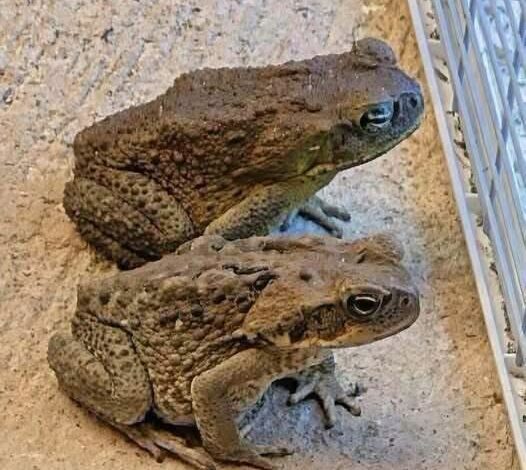
Seeing a toad quietly sitting in your yard might seem like an insignificant moment.
But it can actually be a small sign that your garden is providing something valuable to the natural world around it.
Toads are surprisingly sensitive to their environment. They prefer places with moisture, shade, shelter, and plenty of insects to eat. So when a toad chooses to spend time around your home, it can indicate that your yard offers the kind of habitat wildlife needs to survive.
In other words, that little visitor may be more than just passing through.
It could be your garden’s natural pest-control partner.
Toads are most active after sunset, when they emerge from their hiding places to search for food. Their diet can include mosquitoes, beetles, ants, slugs, caterpillars, and many other small invertebrates.
Night after night, they quietly help keep insect populations under control—without chemicals, sprays, or any effort from you.
And they don’t ask for much in return.
A cool, shady hiding place beneath a shrub, log, rock, or pile of leaves.
A damp area where they can stay protected from drying out.
And, when appropriate, access to a source of clean water.
Provide those basic conditions, and a toad may return again and again, often visiting the same areas of your yard each evening.
Their presence can also tell you something about the environment itself.
Toads have permeable skin, which makes them particularly sensitive to changes in their surroundings. Because amphibians spend portions of their lives connected to both land and water, they can be affected by pollution, habitat changes, and other environmental pressures.
A healthy population of amphibians can therefore be one encouraging sign that a local habitat is supporting wildlife.
But toads are interesting for another reason as well.
For centuries, people have given them symbolic meaning.
Their life cycle is one of nature’s most remarkable transformations. They begin as aquatic tadpoles, gradually developing legs, lungs, and the ability to live primarily on land.
Because of this dramatic change, many cultures have associated toads with transformation, renewal, resilience, and new beginnings.
The symbolism varies from one tradition to another. Some view toads as signs of good fortune, fertility, protection, or abundance.
These interpretations are cultural beliefs rather than scientific facts, but they show how deeply humans have been fascinated by these creatures throughout history.
Regardless of whether you attach any symbolism to a toad’s appearance, its practical value in the ecosystem is very real.
If you’d like to make your yard more welcoming to toads, you don’t need to build anything complicated.
Consider leaving small areas of natural cover, including fallen leaves, logs, rocks, or dense plants where they can hide during the day.
Limit unnecessary pesticide use. Chemicals can reduce the insects toads depend on for food and may also harm amphibians directly.
If it makes sense for your area, you can provide a shallow source of clean water where they can safely drink or absorb moisture.
And if you need to move a toad, handle it as little as possible. Their skin is delicate and easily affected by oils, chemicals, and other substances on human hands.
Toads are generally harmless to people. Some species produce defensive substances through their skin that help deter predators, but simply observing a toad poses no concern.
However, pets—especially curious dogs—should be prevented from biting or chewing on them. Contact with certain species can cause irritation and, in more serious cases, illness.
Ultimately, a toad appearing in your yard is a quiet reminder that your garden is not an isolated space.
It is part of a much larger ecosystem.
While you may only notice a small amphibian sitting beneath a plant after sunset, that creature is participating in an ongoing natural process.
It is hunting insects.
Supporting the food chain.
Moving between land and water.
And contributing, in its own small way, to the balance of the environment.
So the next time you spot a toad in your yard, you might pause before simply walking past it.
You may be looking at one of nature’s quietest garden helpers.
A natural pest controller.
A small indicator of environmental health.
And, perhaps most importantly, a reminder that even the smallest creatures have a role to play.
Because healthy ecosystems are built on balance.
And sometimes, that balance is quietly working right beneath our feet.