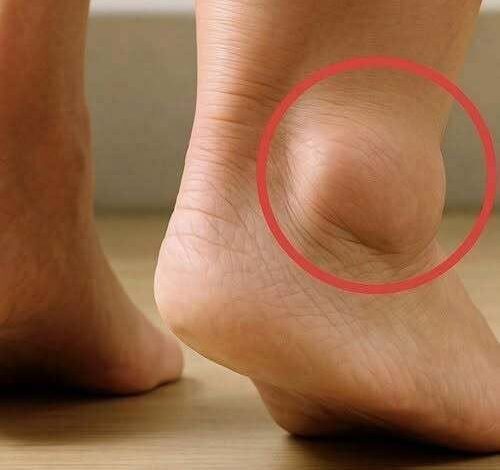
Many people assume that swollen feet and ankles are simply an unavoidable part of getting older.
Sometimes they are harmless, especially after spending hours standing, sitting, or traveling. But swelling—medically known as edema—occurs when excess fluid builds up in the tissues. While occasional mild swelling may disappear on its own, persistent, severe, or sudden swelling can sometimes point to an underlying problem that deserves medical attention.
Understanding what causes swelling can help you recognize when it is likely temporary and when it should be evaluated.
Under normal conditions, the circulatory and lymphatic systems work together to maintain the body’s fluid balance. Small blood vessels naturally allow some fluid to move into surrounding tissues, while the lymphatic system and other vessels collect the excess and return it to circulation.
When this process becomes disrupted, fluid can accumulate.
That buildup often produces puffiness, tightness, or a feeling of heaviness. The feet, ankles, and lower legs are especially vulnerable because gravity naturally encourages fluid to settle in the lower part of the body.
Age can contribute to this process in several ways.
Over time, the veins may become less efficient at moving blood back toward the heart, particularly when the valves inside them no longer function as effectively. The muscles of the legs also play an important role by helping push blood upward with movement. When someone spends long periods sitting or standing without moving, that muscle-pumping action becomes less effective.
As a result, fluid can remain in the lower legs for longer periods.
Daily habits can contribute as well.
Long flights, extended car rides, standing for many hours, limited physical activity, and carrying excess weight can all increase the likelihood of swelling by affecting normal circulation.
Medications can also play a role.
Certain blood-pressure medications, including some calcium channel blockers, along with corticosteroids, some anti-inflammatory drugs, hormone treatments, and other medications may cause fluid retention in certain people. If swelling appears after starting a new medication, speak with a healthcare professional rather than stopping the medication without guidance.
Sometimes, however, swollen legs or feet can be a sign of an underlying medical condition.
Heart problems can interfere with efficient circulation and contribute to fluid accumulation.
Kidney disease can affect the body’s ability to regulate and remove excess fluid and sodium.
Liver disease can interfere with proteins involved in maintaining normal fluid balance.
Problems affecting the veins, including chronic venous insufficiency and blood clots, can also cause swelling. This is particularly important when swelling develops primarily in one leg.
Fortunately, mild swelling caused by prolonged sitting or standing may improve with simple measures.
Movement is one of the most useful.
Taking short walks throughout the day activates the calf muscles, which help move blood back toward the heart. If walking isn’t practical, simple ankle movements, such as flexing and pointing the feet or gently rotating the ankles while seated, can encourage circulation.
Elevating your legs can also help.
When possible, raising your feet above the level of your heart for short periods may help gravity move excess fluid away from the lower legs and reduce discomfort.
Compression stockings may benefit some people.
Properly fitted compression garments can provide gentle pressure that supports circulation and limits fluid accumulation. However, they aren’t appropriate for everyone, particularly people with certain circulation disorders, so it’s wise to ask a healthcare professional before using them regularly.
Footwear matters too.
Comfortable shoes with adequate support can reduce pressure and discomfort, especially if you spend much of the day standing or walking.
Your diet can also influence fluid retention.
High sodium intake can cause the body to retain more water. Reducing heavily processed foods and limiting added salt may help some people manage swelling. Staying adequately hydrated is important as well. Drinking enough water supports normal kidney function and helps the body maintain an appropriate fluid balance.
Even though many cases of swollen feet are relatively minor, certain warning signs should not be ignored.
Seek prompt medical attention if swelling:
- Develops suddenly or becomes severe.
- Occurs mainly in one leg, especially with pain, warmth, or redness.
- Happens alongside chest pain or shortness of breath.
- Is accompanied by fever or other signs of infection.
- Continues despite reasonable home measures or progressively worsens.
These symptoms can sometimes indicate conditions requiring urgent evaluation.
Ultimately, swollen feet and ankles are a symptom, not a diagnosis.
Sometimes the cause is as simple as spending too much time on your feet or sitting for several hours. In other cases, swelling may be an early indication that something else is happening inside the body.
The important thing is to notice changes and pay attention to patterns.
Staying active, maintaining healthy habits, and seeking medical advice when swelling is unusual, persistent, sudden, or accompanied by other symptoms can help identify potential problems sooner.
Your body often gives you small signals before a larger problem becomes obvious.
Learning to recognize those signals—and knowing when to seek professional advice—can be an important part of protecting your health over time.