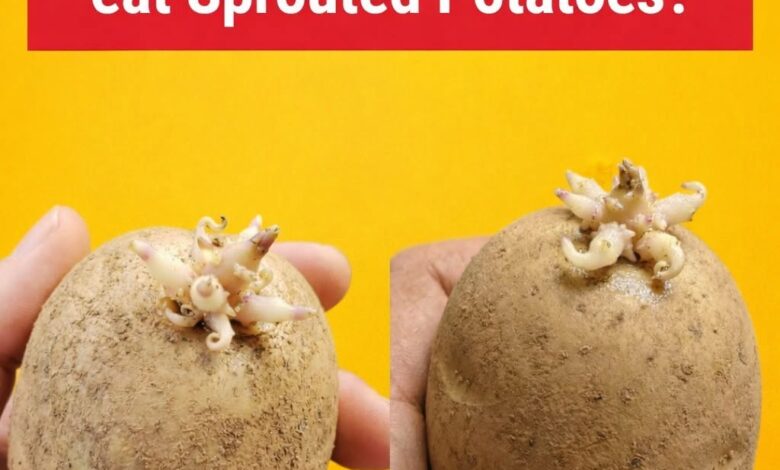
What began as a simple search for dinner ingredients quickly turned into an unexpected food-safety lesson. While digging through the back of a pantry cabinet, I came across a bag of potatoes I had completely forgotten about. At first, they seemed normal—until I noticed long, pale sprouts twisting out of the skins. Suddenly, the question wasn’t what I was going to cook, but whether these potatoes were still safe to eat at all.
Many people encounter sprouted potatoes and assume they must be thrown away immediately. The reality is a bit more nuanced. Potatoes naturally begin to sprout when they’ve been stored for extended periods or kept in conditions that encourage growth, such as warmth, moisture, or exposure to light. As they sprout, however, they can also produce higher concentrations of naturally occurring compounds known as glycoalkaloids, including solanine and chaconine.
These substances are part of the potato’s natural defense system, helping protect it from insects and disease. In small amounts, they are generally harmless, but higher concentrations can cause digestive discomfort and other symptoms if consumed in excess. One of the clearest warning signs is green discoloration on the potato’s skin, which often develops when potatoes are exposed to light and is frequently associated with increased glycoalkaloid levels.
Fortunately, not every sprouted potato needs to be discarded. If the potato remains firm, has only small sprouts, and shows little or no green coloring, it can often still be used. Simply remove the sprouts, peel the potato thoroughly, and cut away any green or damaged areas before cooking. The overall condition of the potato matters just as much as the sprouts themselves.
A quick inspection can help determine whether it’s worth keeping. Potatoes that feel firm and heavy for their size are generally in better condition than those that have become soft, shriveled, wrinkled, or unusually lightweight. If a potato has extensive sprouting, large green patches, a bitter smell, or obvious signs of decay, it’s usually best to discard it rather than take unnecessary risks.
Proper storage is one of the best ways to prevent sprouting in the first place. Potatoes last longest when stored in a cool, dry, and dark location with good air circulation. A pantry shelf, paper bag, or ventilated basket works well. Avoid storing potatoes in sealed plastic bags where moisture can accumulate, and keep them away from onions, which release gases that can accelerate sprouting and shorten shelf life.
With the right conditions, potatoes can remain fresh for weeks or even months. And if you discover a sprouted potato that’s no longer suitable for cooking, there’s still another possibility—planting it. Those same sprouts that make the potato less appealing in the kitchen can become the beginning of a new potato plant in the garden.
Sometimes a forgotten bag of potatoes is more than a pantry surprise. It’s a reminder that food is alive, constantly changing, and always trying to grow. Knowing how to recognize the signs of freshness—and when it’s time to let go—can help you reduce waste, stay safe, and make smarter choices in the kitchen.