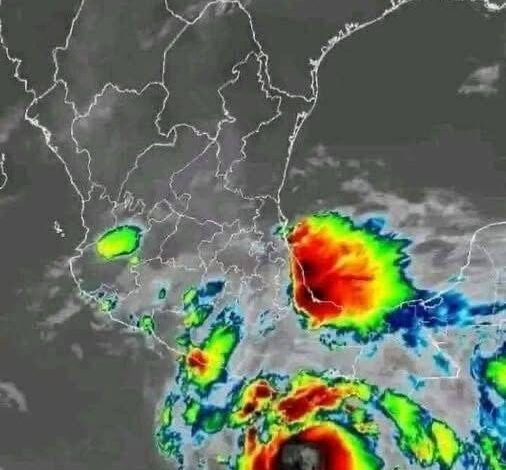
When a storm begins to strengthen far out over open water, it is easy to believe there is still plenty of time. The sky may be clear, the wind light, and daily routines unchanged. Early forecasts can seem distant and abstract. Yet meteorologists and emergency officials repeatedly stress that those first warnings are often the most valuable, because they provide the one resource that cannot be regained once conditions begin to worsen: time.
For coastal residents, travelers in unfamiliar areas, and businesses preparing for severe weather, the hours before a storm arrives are often the most important. Waiting until heavy rain begins or evacuation orders are issued can mean crowded roads, long lines at gas stations, limited supplies, and rapidly changing conditions. Preparing early allows people to act calmly instead of reacting under pressure.
Preparation does not have to be dramatic. It usually begins with a series of practical steps. Reviewing evacuation routes helps ensure everyone knows where to go if leaving becomes necessary. Filling the gas tank before demand increases can prevent delays. Charging phones, backup batteries, and essential medical devices helps maintain communication during power outages. Gathering medications, important documents, flashlights, drinking water, and emergency supplies provides reassurance long before they may be needed.
Protecting the home is just as important. Bringing in or securing outdoor furniture, trash bins, decorations, and other loose objects can prevent strong winds from turning them into dangerous debris. Cleaning gutters, trimming weak branches when appropriate, and reviewing insurance information can also make recovery easier if damage occurs. These tasks may seem minor while the weather is calm, but together they create a margin of safety that is difficult to regain once conditions deteriorate.
Preparedness is not only about protecting property; it is also about protecting people.
One of the most effective emergency tools is often a simple phone call. Confirming evacuation plans with relatives, checking on elderly neighbors, helping someone with limited mobility prepare, or choosing a meeting place in case communication is disrupted can make a significant difference during a crisis. Communities that stay connected are often better able to respond when unexpected challenges arise.
Reliable information is another essential part of storm preparation. During major weather events, rumors and misleading social-media posts can spread quickly, sometimes reaching thousands of people before official updates are issued. False reports about evacuation orders, storm strength, road closures, or emergency services can create confusion and increase risk.
For that reason, it is important to rely on trusted sources such as the National Hurricane Center, local weather agencies, emergency management offices, and official government announcements. These organizations continually update forecasts as new information becomes available, helping people make decisions based on evidence rather than speculation.
No forecast can remove every uncertainty. Storm tracks can shift, rainfall totals can change, and impacts may vary from one neighborhood to another. But uncertainty is not a reason to delay preparation; it is a reason to prepare sooner.
Storms have always challenged communities with their unpredictability. What people can control is how ready they are when severe weather approaches. Every charged phone, every stocked emergency kit, every secured home, and every conversation with a loved one represents a deliberate choice to replace uncertainty with preparation.
In the end, readiness is more than a checklist; it is a mindset. It turns concern into practical action and helps families face difficult situations with greater confidence. While no one can prevent a storm from forming or determine its path, thoughtful preparation can reduce its impact and make recovery easier after it passes.
Storms will always bring uncertainty. Preparation provides something equally powerful: a plan. And when strong winds arrive and conditions begin to change, that plan can make a meaningful difference.